

























































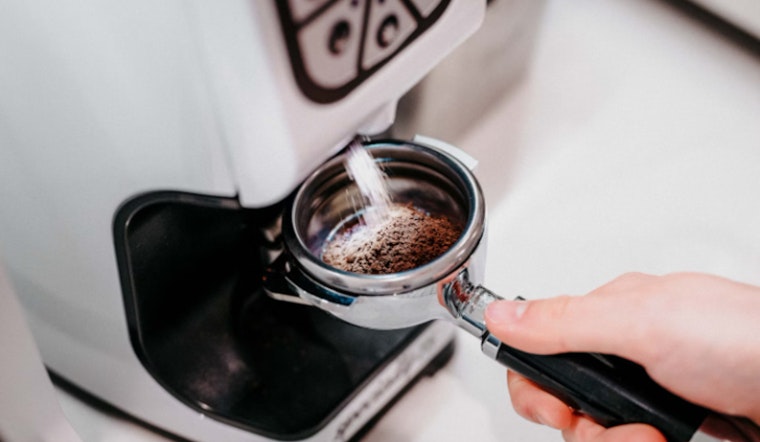
In a recent MIT class, students explored both the chemistry and flavors of coffee. The course, "Coffee Matters: Using the Breakerspace to Make the Perfect Cup," combined lectures on coffee chemistry with hands-on brewing experiments. Students tested additives like anise, salt, and chili oil to improve the taste and fix brewing issues, according to MIT News.
In spring 2024, MIT launched a course led by Professor Jeffrey Grossman and Justin Lavallee, attracting over 50 students to study the flavor chemistry of coffee. Using advanced tools like an infrared spectrometer, students aimed to improve the taste of bitter coffee. Omar Orozco, a student, explained, "Generally speaking, if we could make a recommendation, that’s what we’re trying to find." They also used Fourier Transform Infrared spectroscopy to analyze flavor compounds. Elaine Jutamulia, a recent MIT graduate, asked, "Can we find any correlation between what we saw and the existing known measurements of citric acid?" as they explored the science behind coffee flavors, as reported by MIT News.
The MIT coffee class allowed students like Gabi McDonald and McKenzie Dinesen to explore the science behind coffee. They discovered that factors like roast and grind size affect both taste and caffeine content, debunking the myth that darker roasts are stronger. "You can vary coffee so much — just with the roast of the bean, the size of the ground," McDonald said. The class, held in the Breakerspace lab, encouraged curiosity and hands-on experimentation. "The best part for me was also just seeing them developing their own sense of curiosity," Grossman shared. The quest for the "perfect cup" became a powerful learning experience, as stated by MIT News.





