

























































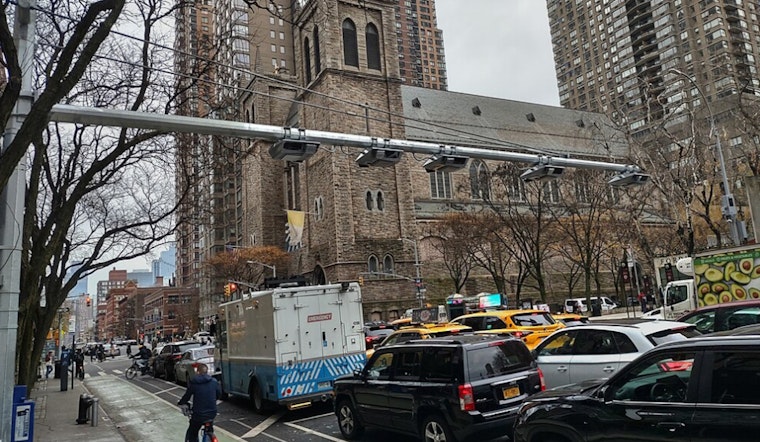
Today marks a shift in commuting habits for many New Yorkers; as they head back to their post-holiday routines, drivers are now navigating the newly implemented congestion pricing in Manhattan below 60th Street. According to ABC7 New York, the $9 fee during peak hours kicked off on Sunday with the dual goal of easing traffic gridlock and funding public transit infrastructure. Echoing these sentiments, NBC New York reports that the plan, which faced various legal hurdles, including a rejected block attempt from New Jersey, has finally taken effect after years of discussion.
Peak tolling hours run from 5 a.m. to 9 p.m. on weekdays and 9 a.m. to 9 p.m. on weekends, with a 75% reduced rate overnight aiming to encourage off-peak travel, this information being consistent across the board as stated by both ABC7 New York and NBC New York. Discounts are available to various groups, including those with disabilities and low-income drivers who frequently cross the Congestion Relief Zone, the zone experiencing its inaugural morning rush hour as people get accustomed to the additional costs, not just financially but in terms of logistics, time management and weighing alternative modes of transport against the lure of convenience found in private car use.
Metro officials, including MTA Chair and CEO Janno Lieber, have expressed confidence in the congestion initiative, "We've been studying this issue for five years. And it only takes about five minutes if you're in midtown Manhattan to see that New York has a real traffic problem," he told reporters in a statement obtained by ABC7 New York. Meanwhile, skepticism remains among some commuters and workers impacted by the scheme, such as FDNY members who now face a daily toll for traversing within the zone as part of their duties to protect the city.
Despite the innovation of being the first U.S. city to adopt congestion pricing, New York is not the first to toy with the concept globally, with cities like London and Stockholm already having similar mechanisms in place, as reported by NBC New York. This new shift comes at a delicate time when public transit has been marred by high-profile crimes, notwithstanding New York Governor Kathy Hochul and city officials who have touted increased safety measures such as transit cameras and National Guard patrols which according to Hochul's statement provided to ABC7 New York, have added a layer of security, revelatory of the tensions inherent in urban living where one's safe passage can hinge on layers of metal on wheels or beneath the ground, it posing a constant negotiation of public spaces for everyday people whose collective motions give pulse to the metropolis.





