

























































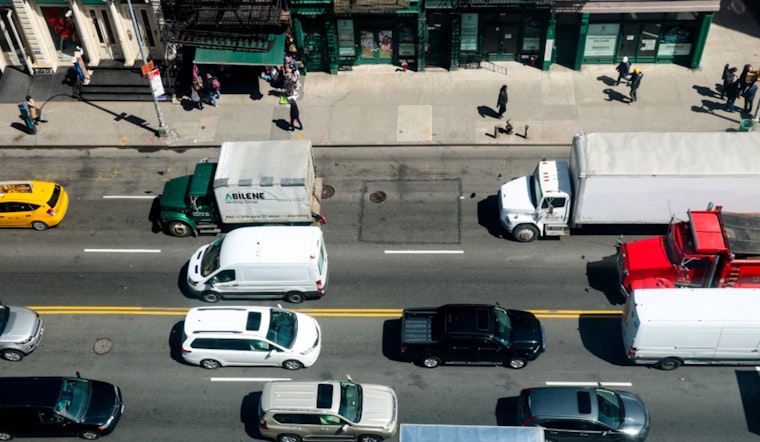
As the Metropolitan Transportation Authority (MTA) gears up for the imminent launch of congestion pricing in New York City, drivers are urged to ensure their E-ZPass accounts are up to date, or they'll face steeper charges. Starting January 5, if you plan on driving into Manhattan below 60th Street, expect a $9 toll during weekdays from 5 a.m. to 9 p.m. PIX11 reports that drivers without an E-ZPass will be hit with a 50% premium, and the toll will jump to $13.50.
Adding to commuter woes, the Port Authority of New York and New Jersey is incrementing its toll rates across a fleet of bridges and tunnels connecting New Jersey to New York. According to NBC New York, starting Sunday, January 5th, the new rates for peak hours using E-ZPass will be $16.06, versus the previous $15.38. Off-peak times offer a slightly lower toll of $14.06.
The MTA has detailed, that drivers with out-of-state E-ZPass accounts linked to their license plates will too, be charged the daily $9 congestion toll as long as they enter the designated Central Business District of Manhattan. Congestion charges will not apply round the clock; prices dip to a paltry $2.25 during the overnight window.
Mindful of those making multiple crossings, New York's congestion pricing plan affords a crumb of comfort with a credit system that offsets some of the financial pain. "(Drivers) should see a credit on their E-ZPass of up to $3 for passenger vehicles and more for trucks and buses," as revealed by NBC New York. This is particularly relevant for drivers already paying tolls at major crossings like the Lincoln or Holland Tunnels during peak times, which could lead to accumulated costs upwards of $22 despite the credit.
Exceptions to these rules include emergency vehicles, school buses, and those who provide essential services to people with disabilities who cannot access public transportation. The system also incorporates provisions for low-income individuals, offering a significant discount after frequent use. For drivers bracing themselves for the impact of these combined toll increases, these details present a complex landscape of urban transit where navigating the financial burden may be almost as challenging as the gridlocked streets they traverse.





