

























































New York City's transit and climate initiatives are sitting at a pivotal junction as 2025 unfolds. Traipsing through a thicket of legal, political, and financial uncertainties, these projects writ large over the city's infrastructure landscape. The congestion pricing program, a massive reshaping of city traffic designed to fund upgrades for mass transit, is in gear to launch on January 5. Despite a reduction in the program's base toll from $15 to $9—set to escalate back up by 2031—the program could be throttled by pending lawsuits and the shifting winds of political favor under President-elect Donald Trump, who has pledged to block it, according to a report by Crain's New York.
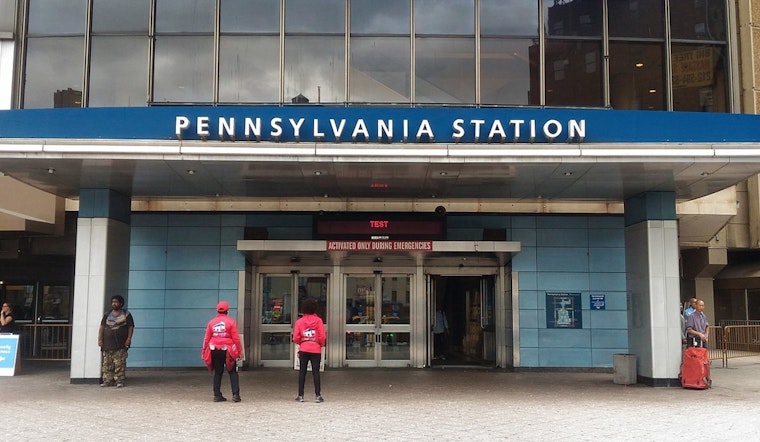
With the grand revamp of Penn Station hanging in balance, funding remains the everlasting specter. State officials are soliciting federal dollars to breathe life into the nation's busiest rail hub, where a daily tide of commuters flood its arteries. Governor Kathy Hochul had a conversation with Trump back in November, angling for federal support despite a departure from a rail-favorable Biden administration. Should the stars align, Penn Station's renovation could be the crown jewel of the MTA's proposed 2025-29 capital plan, as Crain's New York elucidates in it's coverage.
Meanwhile, the Brooklyn-Queens Expressway's (BQE) much needed facelift seems caught in the web of bureaucracy and community dissent, with its future funding and approval from state and federal sources shrouded by the Trump administration's yet undefined infrastructure appetite. On another front, Local Law 97 enforcement now sweeps into effect, compelling buildings over 25,000 square feet to slash their carbon emissions or face hefty fees. This climate law, which isn't your typical brick-and-mortar megaproject, will impose a new carbon economy on building owners grappling to align with this benchmark of urban environmental policy.
Less bleak is the prospect for New York's gaming enthusiasts, as the city braces for bids from contenders vying for the three casino licenses set to be awarded by year's end. With the 11 known bidders lining up, the state's Gaming Facility Location Board will be the gatekeeper of these high-stakes licenses—a significant economic wildcard that could reshape pockets of the cityscape.
Off the shores of Long Island, an ill breeze blows for proposed wind farms and large-scale renewable developments. The energy sector bears a vigil, parsing policy tea leaves as they await the Trump administration's approach to clean energy. As Crain's New York reported, TotalEnergies SE has already pressed pause on their offshore wind farm development due to the unpredictabilities enveloping the impending federal stance.
On the heels of investment, the New York City Metropolitan Transportation Authority (MTA) has laid down the tracks for its proposed $68.4-billion capital plan for 2025-29. As told by MTA Construction & Development President Jamie Torres-Springer at the ENR NY/NJ Infrastructure Forum, approximately $65.4 billion will pump life into system upgrades pending approval by the Capital Program Review Board. Torres-Springer expressed confidence in awarding substantial contracts in the coming years, with $11.4 billion carved into the 2022 fiscal stone, despite hiccups entangling congestion pricing and the subsequent $2 billion reduction in 2023 awards. Acknowledging the elephant teetering in the funding room, he assured their capital campaigns are set to march onwards, as detailed in a ENR report.
Amtrak, too, has signaled forward momentum with Jaidev Sankar, vice president of infrastructure delivery, spotlighting the urgency of catching up on years of investment deficit. The rail company intends to award $15 billion in contracts by year's end, spurred by $66 billion in federal infrastructure funds, with a significant portion dedicated to the Northeast Corridor. Sankar explained that the company has bulked up its workforce with around 8,000 hires, particularly bolstering its project management ranks, hinting at an overdue organizational metamorphosis. These bolstered efforts come as Amtrak also sets sights on Penn Station's upgrades, although specifics remain pending, as covered by ENR.





