

























































The vintage charm of New York City's subway system belies the dire need for a technological overhaul, a situation that has been a topic of both concern and curiosity for countless daily commuters and city officials alike. Gothamist reports that the intricate ballet of B, D, N, Q, and R trains moving through the DeKalb interlocking relies on aging machinery and manual ingenuity, a dance orchestrated by MTA staff with technology dating back to the 1930s. In what sounds almost anachronistic, these operators push buttons akin to a mid-century telephone operator to manage the transit of some 350,000 daily riders through the busy network under Brooklyn.
Despite its an impressive testament to its historic durability, this technology has its limitations. "This machine is from the late '50s, installed by General Railway Signaling, which no longer exists in that form anymore," Sandy Castillo, the MTA’s chief of subway signals, told Gothamist. Operations still rely on a physical and highly manual process, causing delays that can cascade across the entire system. Parts for these mid-century systems are now so scarce that the MTA is forced to manufacture them in-house, further underscoring the pressing need for upgrading to modern signaling technology.
As the city inches towards the future, the vast transit network that serves over 6 million daily riders is slowly transitioning to 21st-century digital technology, according to the San Mateo Daily Journal. This shift promises to enhance safety and increase the capacity for trains to travel closer together. However, with 700 miles of tracks, this modernization project is a marathon, not a sprint, with estimations suggesting it could take at the least 20 years for full computerization.
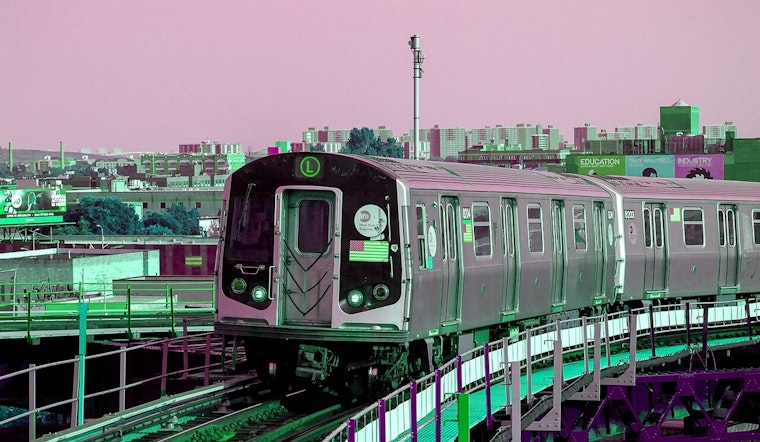
Currently, only the L line boasts the modern, computerized, automated signals system that the rest of the subway lines covet. The appeal of such technology is not just hypothetical; it allows for the optimal performance, as seen on the L line where about two dozen trains can move each hour in both directions. This compares favorably to the half as many that the older systems can handle. Yet, even with this glimpse into a more efficient future, budget constraints suggest a long road ahead for city's subways, with the MTA's five-year capital program staring down a $15 billion funding gap.
Amid discussions of modernity and money, it pays to remember what is at stake. This is not just about efficiency or aesthetics, it's about the everyday lives of millions of New Yorkers. "Any improvement here will cascade everywhere," Chris Pangilinan, chief of operations planning at the MTA, emphasized to Gothamist. As improvements are gradually implemented, New Yorkers may soon find their subway experiences significantly altered. Until that day, the an vintage cachet of the NYC subways remains a living museum, albeit one that is overdue for an upgrade.





