

























































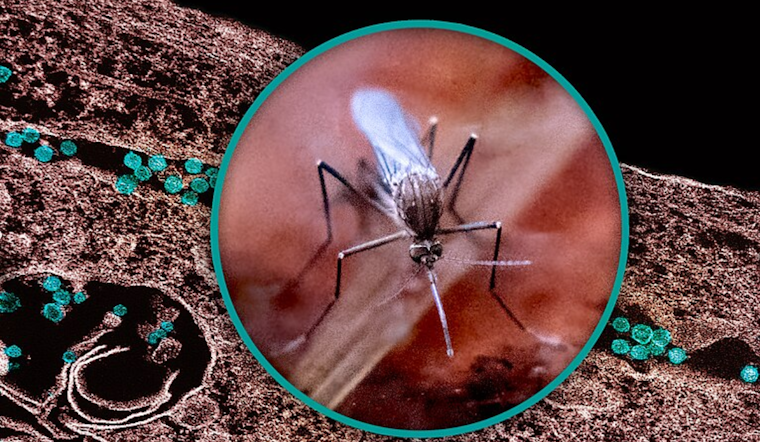
The Ohio Department of Health has officially wrapped up its mosquito surveillance for the year 2024, with findings that indicate a substantial presence of West Nile Virus across the state. As per the Ohio Vector-borne Disease Surveillance Update, testing conducted by 67 agencies in 55 counties resulted in 416,688 mosquitoes being pooled into 13,501 samples. Of these, 1,197 mosquito pools tested positive for West Nile Virus in 41 counties.
These numbers illustrate a clear presence of the virus, although the Ohio Department of Health continues to analyze tickborne diseases, with those results still pending. The complete data for 2024's vector-borne diseases affecting both humans and animals can be viewed on ODH's infectious disease dashboard, which provides a deeper dive into these public health and awareness concerns.
Franklin County reported the highest positive tests with 456 mosquito pools, followed by Lorain with 143 and Summit with 79. These counties, among others, are now on the radar for West Nile virus, prompting heightened awareness and preventive measures to be taken by the residents and local health authorities. The state's surveillance efforts are crucial in understanding the prevalence and proactively managing the spread of these vector-borne diseases.
Details on the locations where the positive mosquito pools were found are available through a map on the Ohio Department of Health website, offering a visual representation of the spread across Ohio. The map serves not merely as a static illustration but as a tool to possibly track, avert, and respond to the geographic flow of West Nile Virus as the year progresses. While the focus now shifts toward the remaining 2024 vector-borne disease surveillance, Ohioans are urged to stay informed and take necessary precautions against these pervasive health threats.



