

























































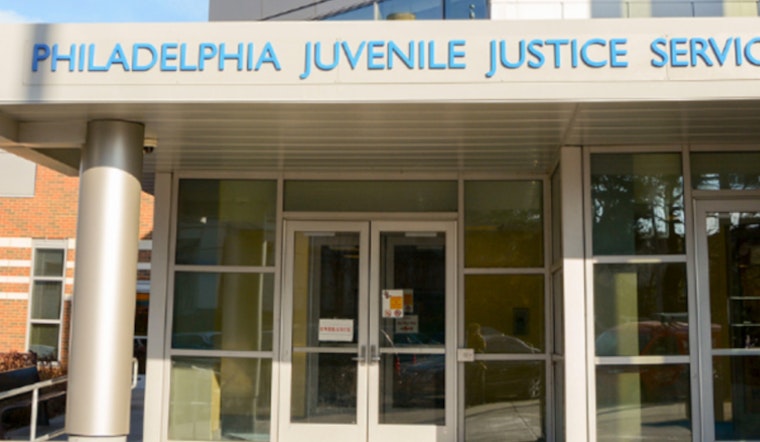
The Office of the Youth Ombudsperson (OYO) has raised serious concerns about the excessive use of "seclusion" at the Philadelphia Juvenile Justice Services Center (PJJSC). The practice, which involves placing a child in a locked room, is tightly regulated and, in most youth residential facilities, entirely prohibited. However, the OYO's recent report, based on substantial evidence, accuses the PJJSC of misusing this method that is meant to be a last resort for handling specific situations in juvenile detention.
As reported by the City of Philadelphia's official website, the evidence includes notable complaint activity, direct observations by the OYO, and interviews with detained youth, alongside identified policy flaws and questionable documentation within the PJJSC. The Department of Human Services (DHS), which operates the facility, provided a written response to the findings, acknowledging some room for reform while disputing the notion that the practice is overly employed. The DHS's stance relies on seclusion logs which the OYO has criticized as inconsistent and unreliable, challenging the legitimacy of their analysis.
In interviews conducted without the OYO's supervision, questions regarding seclusion practices were deemed insufficient, raising questions about the thoroughness of the investigation by the DHS. Further muddying the waters is a disagreement between the OYO and the PJJSC on how seclusion times are tallied, specifically if a clock-counting seclusion should stop when a youth falls asleep. "For example, it is the PJJSC’s view that if youth are placed in seclusion and happen to fall asleep during awake hours, the seclusion clock should stop," according to the report. On the other hand, the OYO argues that the 'clock' should not be paused. This discrepancy plays a crucial role in adhering to legal limits on seclusion periods.
Despite the back and forth on data and policy interpretation, the ultimate goal shared by all parties involved is to listen to and empower young people caught in the juvenile justice system. The OYO emphasizes the importance of allowing these youth to express their grievances, providing platforms to facilitate such communication, and taking meaningful action based on these insights. With the report in the public sphere, the expectation now is for the DHS and the PJJSC to engage with the OYO to ensure that juvenile detention practices align with both the letter and spirit of the law.



