

























































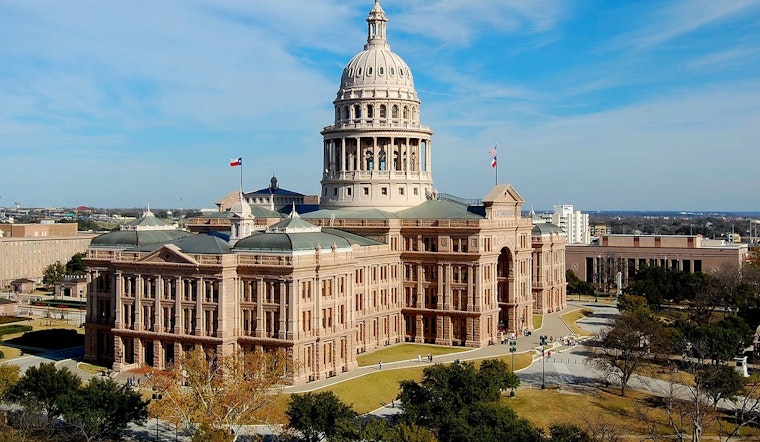
On Friday, a notable shift in Texas education policy began to take form as the Texas Senate, led by Sen. Brandon Creighton, filed Senate Bill 2, a strong push for 'school choice.' The bill suggests granting taxpayer funds directly to families, allowing them to select alternative education options beyond the public system - an initiative that echoes calls from Texas lawmakers for greater educational freedom.
According to CBS Austin, SB 2 proposes that each student enrolled in an accredited private school would receive $10,000, while those with disabilities could access $11,500; meanwhile, homeschooled students might be allotted $2,000, aiming to give Texas the ability to join 32 other states offering such opportunities, a directive that Sen. Creighton stands behind as he believes it’s time for Texas to empower parents and students with greater educational freedom notably the bill’s fiscal commitment reaches $1 billion over the next two years for school choice, underscoring the legislative ambition behind the proposed educational overhaul.
Despite setbacks in previous legislative seasons, including a failed voucher program bid in 2023 compounded by special sessions called by Governor Greg Abbott, the Texas Tribune indicates that Texas Senate is maneuvering with a renewed vigor; Sen. Creighton, chair of the Senate Education Committee, argues that the bill underlines a staunch refusal to accept the status quo and a commitment to reinvent the educational landscape in favor of parental control and customized child success pathways.
While the Senate appears solidified in its resolve, it is the Texas House of Representatives and its traditionally less conservative stance that should determine the fate of SB 2, even as Governor Abbott speaks of enough "safe votes" to greenlight the plan, the past alliances of Democrats and rural Republicans that thwarted similar efforts, leaving the question as to whether this new legislative course can successfully navigate a historically tumultuous journey through the statewide political spectrum.




