

























































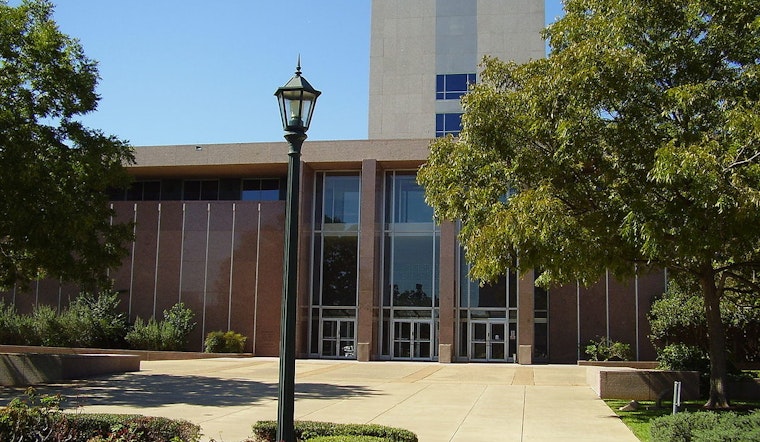
The Texas Supreme Court has made a decisive move by dismissing a lawsuit against Assistant Attorney General Brent Webster, a legal saga that had called into question the ethical conduct of a high-ranking state legal figure. Webster, who faced allegations of dishonesty and misrepresentation for a controversial election lawsuit, now dodges professional repercussions.
As stated in FOX 7 Austin's report, the Supreme Court of Texas upheld an earlier district court ruling that entering into the fray of Webster's conduct would breach the separation-of-powers doctrine outlined in the state constitution. The litigation's tumultuous journey, previously reversed by an appeals court, culminated in a conclusion that circumvents further scrutiny into Webster's professional ethics over the contentious challenge to the 2020 presidential election outcome.
Justice Evan A. Young, in an opinion joined by the bulk of his colleagues, articulated that the usual practice grants authority to the court originally associated with a case to police the conduct of attorneys, not external judicial bodies. This framework shaped the Supreme Court's rationale, siding with Webster's stance against the State Bar's legal salvo. Opposing the majority opinion were Justices Jeff Boyd and Debra Lehrmann, who provided their dissent.
The origins of the controversy can be traced to post-election turmoil, as Webster, along with Texas Attorney General Ken Paxton, filed a legal challenge to the election results in pivotal states. The U.S. Supreme Court promptly rejected their filing in December 2020. The State Bar of Texas then made what was considered an unusual move by suing both Paxton and Webster concerning their conduct in the election litigation—a maneuver now nullified by the Texas Supreme Court's latest ruling.
Following the court's decision, Paxton celebrated, framing the lawsuit as political retribution, and signaled his unyielding intent to defend his actions. "The Texas State Bar attempted to punish us for fighting to secure our national elections but we did not and will not ever back down from doing what is right," Paxton said in a statement obtained by The Texas Tribune. Webster's response to the dismissal echoed Paxton's sentiments, asserting that with the legal challenge behind them, their efforts could refocus on conservative priorities.
While the Texas Supreme Court's decision has put an end to Webster's case, a related and still-pending case against Paxton himself looms on the horizon.



