

























































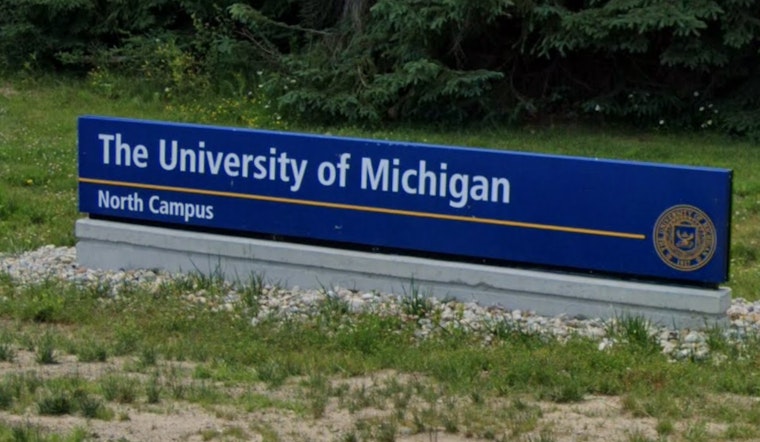
The University of Michigan has decided to sever its academic ties with Shanghai Jiao Tong University in China, an agreement in place for two decades, amid escalating national security concerns voiced by GOP lawmakers. Santa Ono, president of the University of Michigan, stated the six-month process to "officially end the partnership" had been initiated following a thorough review, as per a letter to a congressman, as reported by CBS News. This move arrives on the heels of federal charges levied against five Chinese students in a joint program last fall, who were accused of sketchy activities around a military site.
Details surfaced from MLive indicate those students were involved with photographing the 2023 Northern Strike training exercise at Camp Grayling, resulting in their federal indictment. While advocating the enrichment international academic partnerships brought, Ono, in a statement released last Friday, expressed a simultaneous necessity to "prioritize our commitment to national security." Amid these unfolding events, the University has asserted that current students within the joint program will be able to complete their degrees without disruption.
Republican Rep. John Moolenaar, chair of the House Select Committee on the Chinese Communist Party, conveyed an urgent necessity for the program's termination in a letter to President Ono last October, suggesting that SJTU's alignment with China's military endeavors presented an unacceptable risk. "The University of Michigan is making the right decision in ending its joint institute with a Chinese university, and more of our nation’s universities should follow U-M’s action," Moolenaar stated, stressing the potential for technologies developed via these alliances to be repurposed against the U.S., as noted by MLive.
The situation unfolded following a legislative report that depicted how American research, often federally funded, was utilized to bolster China's advancements in key technological arenas with defense implications—this dynamic cast shadows over collaborations at academic institutions like Georgia Institute of Technology and the University of California, Berkeley, which also have discontinued similar Chinese partnerships. "My committee has put a spotlight on the fact that too many American universities are collaborating with CCP researchers on critical technologies including weapons, artificial intelligence, and nuclear physics," Moolenaar was quoted as saying to further ironize the point, as per a report by The Detroit News.
Despite the setbacks, Ono reiterated UM's commitment to international education, emphasizing the value of cultural exchanges and knowledge sharing. "International experiences are vital for our students in this interconnected world," Ono stated, ensuring that UM's campus remains a hub for global scholarship, according to The Detroit News.




