

























































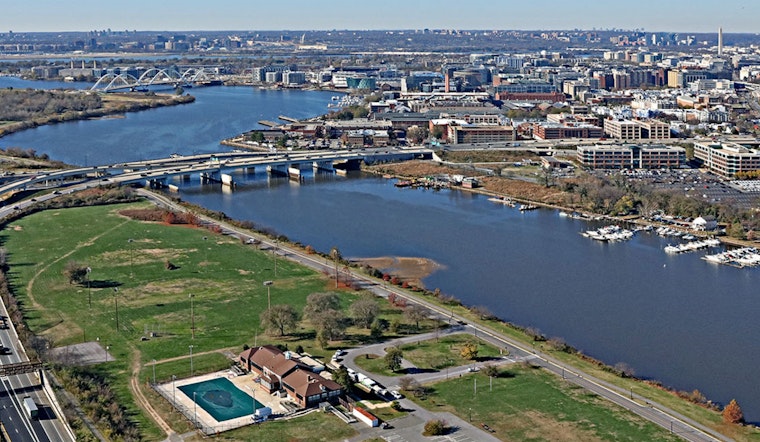
Years of pollution in the Anacostia River by the US government is now being confronted with legal action, as Attorney General Brian L. Schwalb has filed a lawsuit seeking federal accountability and remuneration for extensive environmental damage, as reported by the Office of the Attorney General (OAG). Schwalb's suit alleges over 150 years of the government using the river as a dumping ground for an array of hazardous substances, including PCBs, pesticides, and heavy metals.
In a statement obtained by the OAG, Schwalb highlighted the long-term indifference to the Anacostia's ecological and public health, stating “The federal government’s blatant disregard for human health and safety has wreaked havoc on generations of Washingtonians – diminishing what should be a pristine resource for swimming, fishing, and wildlife, and disproportionately harming communities of color living East of the River." The District now demands that the federal government clean up the river and preserve it for future generations, the lawsuit is aimed at compelling the federal government to comply with the same environmental laws that govern other entities and take financial responsibility for the damage done.
Support for the lawsuit is broad, with Anacostia Riverkeeper and the NAACP DC Branch backing the district's legal push; Trey Sherard of Anacostia Riverkeeper, in a statement to OAG, conveyed optimism that this suit would enforce the federal government to take remedial action in cleaning up the river in a swift and comprehensive manner.
Carmel Henry, President of the NAACP DC Branch, expressed to OAG the stark environmental justice issues at play, stressing that “There are two rivers that flow through the District of Columbia, but for too long the Anacostia River has remained a troubled and contaminated body of water.” The plaintiffs argue that the residents of the District, particularly those in communities of color affected by the contamination for generations, deserve the full application of the Clean Water Act and proper restoration of the Anacostia River to rectify the health and environmental inequalities they have faced.
The lawsuit, using the framework of the Comprehensive Environmental Response, Compensation, and Liability Act of 1980 (CERCLA), also known as Superfund, details numerous sources of contamination tied to federal activities; these include toxic discharges from the Washington Navy Yard, dumping from the Kenilworth Landfill, chemical releases from printing facilities, and improper sewage management. As detailed in the OAG announcement, the cumulative effect of these pollutants includes a host of serious health risks like cancer, neurological disorders, and developmental issues, alongside severe environmental impacts.
The OAG has a history of pursuing environmental justice, as Assistant Attorneys General Alec Bowman, Brian Caldwell, David Hoffman, Sean Powers, and Wesley Rosenfeld, under the supervision of Laura Beckerman, Acting Chief of the Housing and Environmental Justice Section and Senior Trial Counsel, have tackled various polluters in the past. Notably, previous efforts include a $57 million recovery from Pepco for polluting the river and substantial victories against organizations like Fort Myer Construction and a pest control company tied to hazardous practices. The goal of these actions, according to the OAG, is to protect the health and safety of District residents and to secure a pollution-free future for the region.





