

























































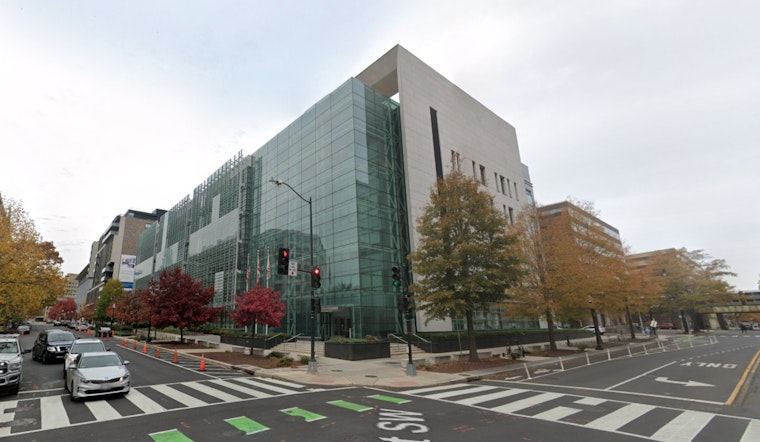
After a protracted period in professional limbo, the District of Columbia's Department of Forensic Sciences (DFS) has finally regained the accreditation essential for the in-house analysis of crucial crime scene evidence. As reported by 7News, the agency had previously been barred from handling evidence due to concerns over mishandling and improper lab practices that surfaced in 2021. This setback forced the outsourcing of such services, invariably introducing delays into the crime-solving process.
The loss of accreditation had tangible effects on law enforcement efforts and judicial outcomes in the District. According to statements by U.S. Attorney Matthew Graves, cited by 7News, a significant percentage of cases, mostly misdemeanors, went unprosecuted in 2022 and more than half in 2023, largely because the necessary testing could not be conducted by the lab. Regaining accreditation not only symbolizes a rectification of past errors but promises a more efficient future for criminal justice in the region.
Dr. Francisco Diaz, the interim director of DFS, expressed confidence in the renewed capabilities of the crime lab in an interview with 7News. "Washington D.C. as the capital of the United States now has a crime laboratory that is reliable and accredited," Diaz stated. "That means that everything that gets done here all the requests for testing ranging from biology meaning DNA, chemistry meaning drugs or substances, friction ridge which is latent fingerprint are going to be processed in house and the process will be in a very short time period."
In a parallel development, Fox5DC acknowledges this resurgence following years where D.C.'s Department of Forensic Science couldn't analyze certain types of evidence. The deficiencies traced back to multiple causes: weak legislation, resource constraints, and instances where prosecutors circumvented established oversight structures. With accreditation restored, the city envisages a swifter turnaround in evidence processing, a stark contrast to the previous reliance on third-party entities.
Completing this trajectory toward reinstated function and form, the lab's ability to test latent fingerprints marks a significant milestone in its road to recovery. The ability to scrutinize this type of evidence internally was reinstated at a facility once marred by errors influencing criminal convictions. A report by The Washington Post marks this moment as a crucial step towards complete in-house operations.





