

























































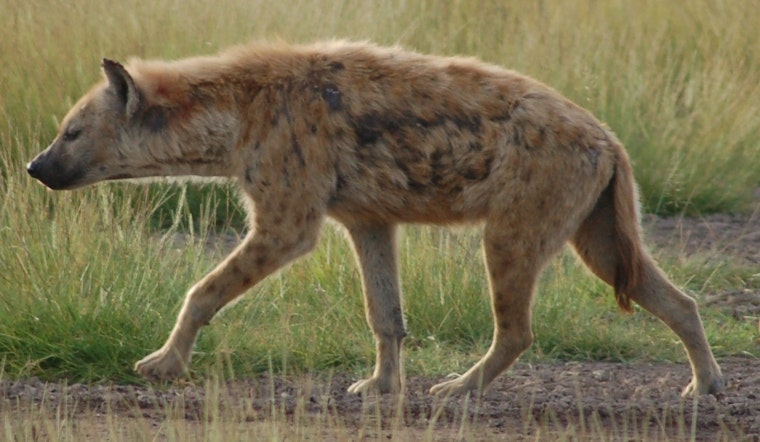
Washington State University student Nick DiPietro had the unique opportunity to study the predatory heavyweights of the African savannah in Tanzania, a journey underpinned by his fascination for the continent's majestic wildlife. As reported by WSU News, DiPietro, a recipient of the Benjamin A. Gilman Scholarship, chose to zero in on predators like hyenas, leopards, and genets during his study abroad term. "The magic of the animals in that country is truly incredible," he communicated to WSU News, likening the fauna to "movie stars of the animal world."
His time in Tanzania, specifically in Rhotia, Arusha, commenced with two months of course work observing baboon behavior. The latter half of his stay was dedicated to analyzing camera trap data concerning the less-heralded, yet vital, smaller predators within the local ecosystem. DiPietro noted in his remarks to WSU News that human activities seem to force these creatures towards a more nocturnal lifestyle, sparking elevated competition for survival. Local farmers bear brunt of this shift; hyenas, it turns out, have developed a reputation for preying on livestock, an increasing concern for the people of Tanzania who, as DiPietro recounted, "universally hated" the animals.
International Programs Global Learning Advisor Cara Welch played a pivotal role in guiding DiPietro to his academic experience in Tanzania. She champions studying abroad as a door to immersive encounters that fundamentally transform the individual. "When we approach studying abroad with purpose, chances are that our experience will be more genuinely immersive because we’re more engaged, with culture at large and, especially, with people," Welch advised in the WSU News piece.
The Gilman Scholarship empowers undergraduates who are Federal Pell Grant recipients to explore various corners of the world, like DiPietro did, by covering up to $5,000 of the costs associated with study abroad programs. For the academic year in question, nearly 3,000 scholarships were dispensed. There's a parallel program for military families, named the John S. McCain (Gilman-McCain) International Scholarship. The list of 2025 Gilman scholars includes students destined to wide-ranging destinations—Finland, Ireland, France, Japan, and Costa Rica—reflecting the diversity of the program.
DiPietro's interactions in Tanzania left an indelible mark, gifting him not just invaluable research but also cultural wisdom, including a taste of "pole, pole," a Swahili saying that translates to "slowly, slowly" but actually just advises to take life easy. "It's more of slang like, 'chillax,'" he explained, as to WSU News. This philosophy, among other insights gained, is something DiPietro intends to maintain upon his return to Pullman.
For other students inspired by DiPietro's story, the legacy of recipients from the Gilman Scholarship continues. In 2025, awardees from various majors will venture into academic programs across the globe—from marketing in Finland to zoology in Costa Rica. This life-changing opportunity, heralded by students like DiPietro, underscores not just the importance of academic enrichment but also the power of cross-cultural engagement in shaping the hearts and minds of young scholars.





.jpg)