

























































Baltimore County is tackling the recycling challenges of multi-family housing with a new pilot program recently launched by the Department of Public Works and Transportation (DPWT). The initiative, beginning with the Twin Ridge Apartment complex in Pikesville and extending to Carriage Hill, Gwynn Oaks, and Morningside Apartments, includes the distribution of reusable recycling tote bags to residents and the installation of educational decals on recycling dumpsters, according to NottinghamMD. These steps are designed to address the unique obstacles that residents in these communities face, such as limited recyclable storage and insufficient drop-off points.
A county study last year highlighted dissatisfaction among multi-family housing residents regarding their trash and recycling services compared to those in single-family homes. These residents often find themselves crunched for space without the convenient drop-off options available to their suburban counterparts. Nicholas Rodricks, Chief of the Bureau of Solid Waste of DPWT, emphasized the importance of the program, stating, "This pilot program helps us overcome some of the operational hurdles of recycling in multi-family housing communities," as reported by Baltimore Fishbowl.
Funded by the Bureau of Solid Waste, the program has occurred at four communities encompassing over 3,100 apartment units and is set to expand to ten communities with more than 10,000 units. Such expansion increases recycling rates and reduces the strain on resources like the Eastern Sanitary Landfill in White Marsh. The Bureau handles nearly one million tons of trash or recyclables annually. It processes over 75,000 tons of recyclable material through the Central Acceptance Facility in Cockeysville, highlighting the significant impact this program may have on the region's sustainability efforts.
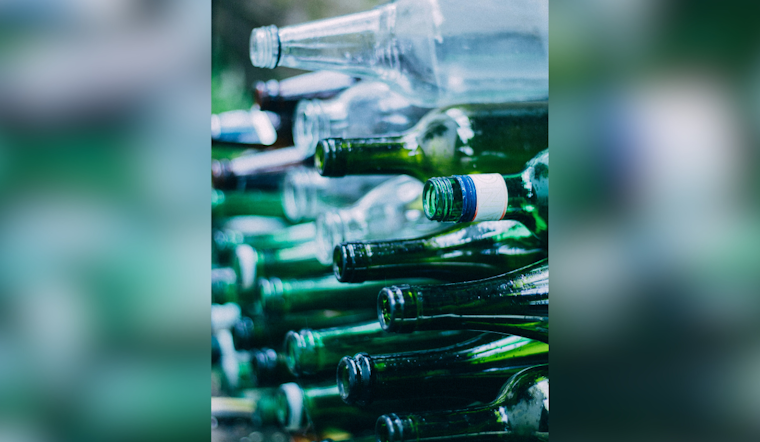
The pilot initiative is also seen as a way to educate residents about what can and cannot be recycled, a necessary step to reducing recycling contamination. Recyclable items include papers, cardboard, metals, all colors of glass bottles and jars, plastic bottles and jars, and rigid plastics, provided metal handles are removed. However, per the guidelines provided by the DPWT, residents should not include plastic bags, food, foam utensils, and batteries.
For additional information about residential recycling collection, Baltimore County's website offers detailed guidance and resources for community residents.





