

























































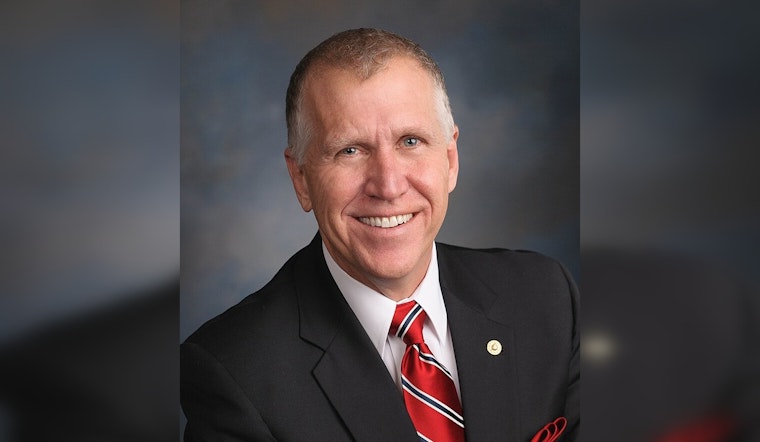
Senator Thom Tillis has partnered with Senators Amy Klobuchar, Susan Collins, and Jacky Rosen to introduce the "Conrad State 30 and Physician Access Reauthorization Act," aimed at addressing the health care deficit in rural areas. The bill seeks to increase the number of doctors in underserved regions. Senator Thom Tillis' Office emphasized the importance of addressing the shortage of healthcare workers in these areas.
Tillis explained that many rural areas, both in North Carolina and across the U.S., lack the health care workforce needed for quality care. The legislation aims to improve access to healthcare and make it easier for international medical graduates (IMGs) to practice in these regions. Dr. Ram Alur, President of Physicians for American Healthcare Access, highlighted that without reform, it would become more difficult to recruit and retain IMGs. He praised the bipartisan effort, noting its potential to bring skilled medical professionals to underserved areas.
A key element of the initiative is extending the Conrad 30 program for three more years. This program allows international doctors on J-1 visas, who are required to leave the U.S. after residency, to remain and practice in underserved areas if they commit to three years of service. The 30 refers to the cap on participants per state, but the new legislation could expand this if needed.
The bill proposes improvements to make the program more accessible, such as easing the visa process, protecting slots for small states, and providing work authorization for spouses. It also includes worker protections for physicians and faster green card consideration for those who work in Veterans Affairs facilities or health professional shortage areas for five years. The bill has gained support from over 50 organizations, including the American Medical Association and the American Hospital Association.





