

























































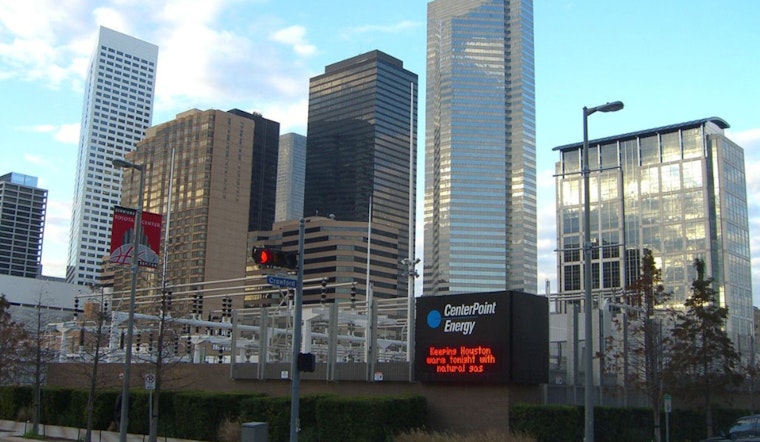
In an effort to strengthen the Houston power grid against unpredictable weather, CenterPoint Energy has proposed a significant $5.75 billion investment in its infrastructure. This upgrade, designed to reduce power outages caused by extreme weather, comes after the city's recent challenges with hurricanes, floods, and harsh winter storms. The plan, described as the priciest by any Texas electric utility to date, according to Houston Chronicle, could protect more than half a million customers from outages during events similar to last year's Hurricane Beryl.
According to a statement obtained by Click2Houston, CenterPoint's proposal to quickly bounce back from such incidents encompasses a wide range of enhancements. These include reinforcing 130,000 power poles to withstand winds of up to 132 mph, flood-proofing substations, and burying more than half of their power system underground. Moreover, 900 'self-healing' devices are on the drawing board to be installed, designed to reroute power swiftly during outages.
CenterPoint's Vice President of Electric Business, Darin Carroll, told Houston Chronicle, "Resiliency is about how quickly we're able to bounce back. It's not about saying that lights won't go out anymore. It's how quick are we able to get things back up and running."
Digging into the finer details, CenterPoint has proposed to elevate 99% of its substations above the 500-year flood plain, emphasizing preparation for worst-case scenario storms. Furthermore, taking preemptive strides against vegetation-related outages, the utility seeks to trim 100% of the greenery along its 11,700 miles of power lines every three years. Last year's Hurricane Beryl highlighted the critical need for this maintenance, with trees felled on power lines playing major havoc across Houston.
If the Public Utility Commission of Texas gives a nod to the proposal, the monetary implications for consumers would likely begin around mid-2027, as outlined by Jason Ryan, CenterPoint's executive vice president of regulatory services and government affairs, in an interview with the Houston Chronicle. Initially, charges could increase to about $2 per month for the average residential customer, potentially escalating to around $7.33 per month by mid-2029. This necessary pinch to consumer wallets is positioned to save Houstonians from a whopping 1.3 billion minutes of power outages between now and 2029. A timely investment, indeed, as climate unpredictability continues to sway routinely across the region.





