

























































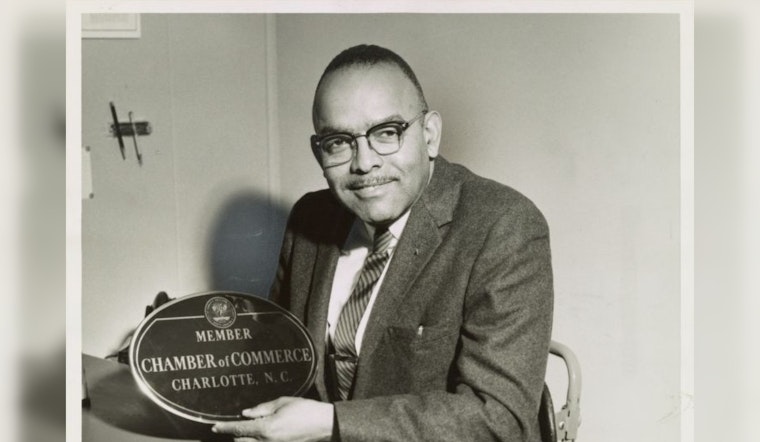
Charlotte's chronicles of the civil rights era immortalize a namesake whose legacy interlaces through the city's tapestry of progress and equality. Frederick Douglas Alexander, a local icon born on this day in 1910, carved avenues of change in a time when barriers seemed indomitable. His mark on Charlotte's history is profound, as shown in a recent social media tribute by the City of Charlotte Government, highlighting his pivotal roles and the indelible impact of his family's business, the Alexander Funeral Home.
In the 1960s, Frederick Alexander stepped onto the scene, becoming the first Black member of the Charlotte Chamber of Commerce in 1962. His tenure on the Charlotte City Council, initiated in 1965, branded him as a the first African American council member since the 1890s, according to the City of Charlotte's post. As a council member and the city's first Black Mayor Pro Tem, Alexander was a driving force behind anti-discrimination ordinances and advocated for more inclusive practices throughout Charlotte. His contributions to dismantling segregation even extended to cemetery grounds.
Tragedy struck in November 1965 when Alexander's home, along with those of other civil rights leaders, fell victim to bombings—terrorist actions that sought to mute their fight for justice. Instead, the appalling events shone a national spotlight on these figures, further fueling the city's role in the struggle for civil rights. Alexander's fortitude was not quelled; in 1974, he ascended to the North Carolina Senate before his death six years later.
The City of Charlotte exhorts residents to engage with Alexander's history, inviting them to explore his collection at the UNC Charlotte archives or to pay homage at Fred Alexander Park. His birthday commemoration intertwines with the recognition of Black History Month, underscoring a legacy that charts paths for current and future generations.





