

























































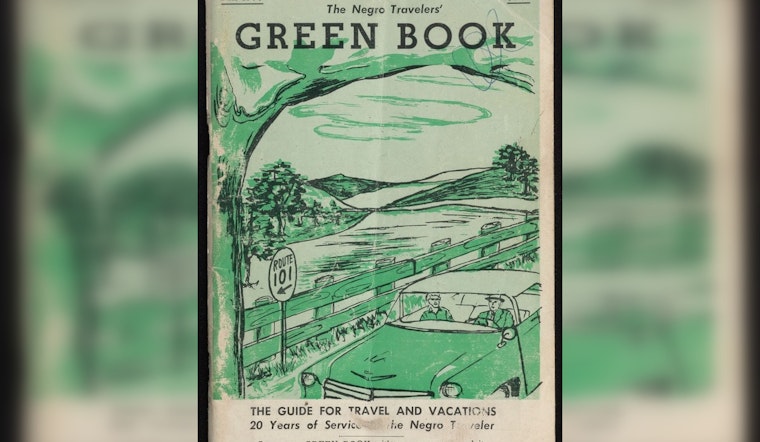
Imagine hitting the road with a guidebook in hand, but instead of just finding the best tourist spots, this book was pivotal for safety during the era of segregation. That's precisely what "The Negro Motorist Green Book" meant for Black travelers, and Charlotte had its place in that history. The guide, which listed businesses that were safe for African Americans, included two Charlotte locations – the Charlomac and Sanders hotels – in its earliest editions, expanding nationwide by 1938, according to a Charlotte city government post.
In a statement obtained by the Charlotte city government website, Mecklenburg County Commissioner Arthur Griffin, shared his perspective on a segregated Charlotte, "People talk about the colored water fountains, but I actually used them," he remembered, "I was one of the people turned away from certain establishments because of the color of my skin." His accounts provide a vivid reminder of the importance of the Green Book, not just for where to dine and stay, but for preserving dignity and ensuring survival.
While many of the sites listed in the Green Book have vanished, today only three original buildings still stand: Chicken & Ribs, the Igloo Bar, and Excelsior Club – with the first as the sole active business from that era. The disappearance of many landmarks was a consequence of urban renewal strategies, which often led to the displacement of minority communities, particularly Black neighborhoods in Charlotte as noted by the city's website.
The city of Charlotte acknowledges the need to celebrate its Black history, as the Corridors of Opportunity program aims to revitalize areas long overlooked for investment, ensuring that community voices steer future initiatives. "You cannot go forward unless you look backward," Griffin remarked, suggesting that honoring the past is key to progress. He urged for remembering establishments once hailed as safe havens, for they are integral in understanding where we've been, and consequently, where we're headed.
If you're interested in learning more about the impact of the Green Book in Charlotte or contributing to the preservation and recognition of its history, resources are available. The North Carolina African American Heritage Commission provides insight, and Charlotte's Corridors of Opportunity playbook project is soliciting community feedback until next Thursday. Visit their respective websites to explore the Green Book's legacy and take part in shaping the corridor’s future plans.



