

























































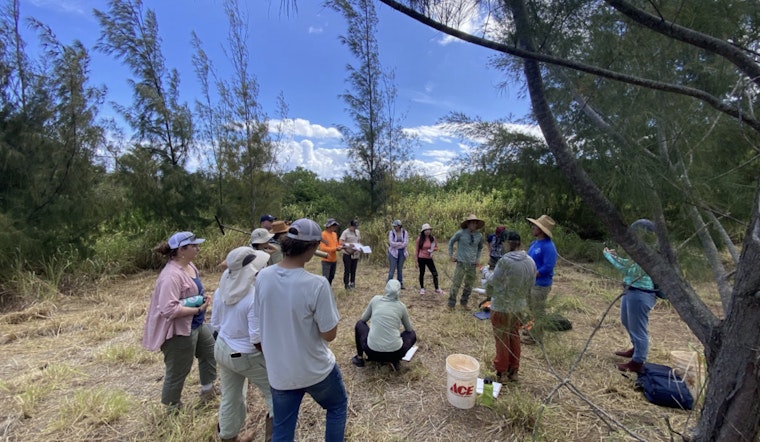
In an effort to strengthen ecological resilience in response to the climate crisis, the state of Hawaiʻi is providing significant funding to land managers supporting sustainable practices. The Carbon Smart Program, an initiative of the Hawaiʻi State Climate Change Mitigation and Adaptation Commission (CCMAC), has allocated $1,000,000 in grants for projects focused on regenerative agriculture and carbon sequestration, as detailed in a recent announcement by the Department of Land and Natural Resources (DLNR).
The program includes 10 grantees across Hawaiʻi County, Molokaʻi, and Oʻahu, with participants such as MĀLA ʻŌiwi with Waiʻanae Community Redevelopment Corporation, OCR INC. (operating as Small Kine Farm), and Healing Mountain Homestead, LLC, among others. These landowners and lessees, particularly smaller ones who may face challenges accessing federal funding, will focus on strategies to improve soil health, increase carbon stocks, and enhance resilience to changing weather patterns.
Central to the Carbon Smart Program's approach is upscaling land management practices to increase carbon dioxide capture from the atmosphere – a critical factor in mitigating greenhouse gas emissions. CCMAC Coordinator Leah Laramee, affirming the intent behind these grants, said, "The goal is to increase the strategies and options for land managers to develop greater carbon sequestration practices while building resilience and enhancing regenerative practices already in place," according to the DLNR.
The projects selected for funding are diverse and include transforming underutilized lands into agroforestry systems, using traditional Hawaiian ecological knowledge to manage invasive species, and restoring native forests. The funding also supports the distribution of organic mushroom compost to local markets and assists a collective of 14 indigenous-led organizations with carbon sequestration efforts. These projects aim to address environmental concerns while supporting the islands' agricultural heritage, culture, and food security.
The initiative stems from an understanding of Hawaiʻi's vulnerability to climate-related changes and challenges. A variety of applicants, including farmers, educational institutions, community groups, businesses, and nonprofits, have shown interest in promoting ecological stewardship.





