

























































Hillsborough is set to welcome the State Reentry Council Collaborative's (SRCC) quarterly meeting tomorrow, providing a platform for government officials, community leaders, and the public to address the reintegration of formerly incarcerated individuals. Established by the North Carolina General Assembly and Gov. Roy Cooper, the SRCC aims to streamline the transition of individuals from imprisonment back into society.
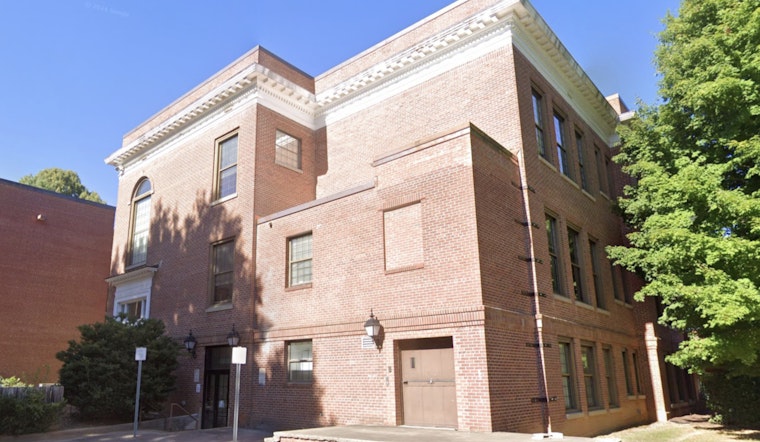
Taking place at the Whitted Human Services Building, the council will congregate from 9:30 a.m. to 11:30 a.m. to chart the progress of the Reentry 2030 initiative and engage in offender reentry simulations. According to the official announcement, the event will commence with Leslie Cooley Dismukes, Secretary of the N.C. Department of Adult Correction, heralding attendees and setting the stage for the day's discussions.
Following the welcome, key updates will be provided on the state's "Reentry 2030" plans by Maggie Brewer, Chief Deputy Secretary for Rehabilitative and Correctional Services, alongside Deputy Secretary George Pettigrew of the Division of Rehabilitation and Reentry. Mid-morning sessions will focus on the challenges faced by individuals reentering society, featuring offender reentry simulations led by Guy Buckner, Special Projects Administrator for NCDAC, according to the department's announcement.
Later in the schedule, the work of Leading into New Communities, Inc. (LINC) will be highlighted, with presentations from Executive Director Frankie Roberts and Deputy Director Michelle D. Gunn. The event will conclude with closing remarks from Deputy Secretary Pettigrew, followed by the public comment period.
The SRCC facilitates dialogue and collaboration among various stakeholders, supporting North Carolina's efforts to reduce recidivism and promote successful reentry. Participants include government entities, nonprofit organizations, service providers, faith-based groups, and employers, all contributing to reentry support. The meeting is open to council members, guests, and speakers, and features a public comment period, allowing community members to engage with and observe the state's reentry strategies.





