

























































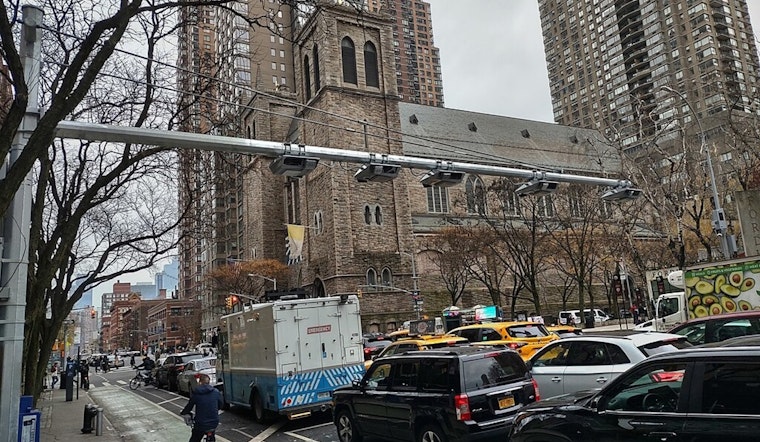
The streets of Manhattan are buzzing with a new kind of traffic—legislative movement toward a residential parking permit system. This urgency comes on the heels of an increased number of out-of-town vehicles, particularly those with New Jersey plates, parking north of 60th Street in efforts to sidestep the city's newly implemented congestion pricing, according to Crain's New York.
With the uptick in cars seeking free curbside space, elected officials such as Manhattan Borough President Mark Levine and City Councilwoman Carmen De La Rosa have put their weight behind this renewed push for a parking permit program. In partnership, the two are advocating for a pilot that would ease the squeeze on local residents, and are in favor of deploying some revenue from the parking fees into local infrastructure, these details were sourced from the Crain's New York report.
As outlined by Gothamist, the scheme aims to alleviate parking woes for resident vehicle owners who now grapple with an influx of non-local drivers looking to skip the congestion charge; strategies for a cleaner, less congested residential area are central to lawmakers' concerns, all the while maintaining economic and racial equity.
State approval is still necessary for the program to proceed, with previous attempts at implementing a residential parking permit structure stalling before they could start—a challenge noted by former Mayor Bloomberg in 2008 and struggled with by multiple City Council bills thereafter, a part of the ongoing narrative covered by Crain's New York. Sen. Robert Jackson and Assemblyman Alex Bores have recently introduced legislation in their respective chambers, signaling a more concerted effort to address this issue.
The concern is not merely one of inconvenienced Manhattanites, but of ensuring that efforts to ease the city's traffic congestion do not simply shift the burden onto residential streets, creating unintended consequences that obfuscate the original goal of congestion pricing; this sentiment was echoed by Kate Slevin, Executive Vice President of the Regional Plan Association, emphasizing the need for thoughtful consideration about the city's approach to managing its curbside space.
With approximately 3 million free parking spots in New York City, the intricacies of a permit program’s impact on parking habits, revenues, and urban planning are yet to be fully grasped. Stakeholders and officials continue to debate where any permit revenue should be apportioned, while eyeing the necessity to fund the Metropolitan Transportation Authority's extensive capital plan, this financial aspect was covered in detail by Gothamist.





