

























































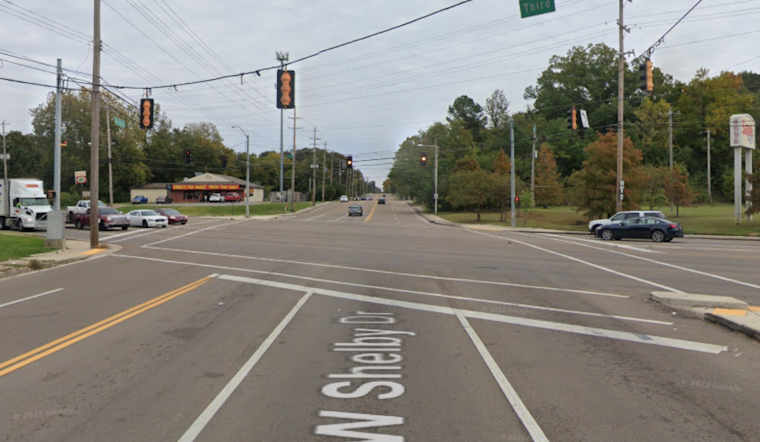
Memphis has once again been reminded of the fragility of life on its roads following a collision that occurred on Sunday, Feb. 23. This incident, which took place at the intersection of South Third Street and West Shelby Drive, involved two vehicles and injured four minors and one adult woman—all transported to a hospital. The Memphis Police Department responded to the scene shortly before 3 p.m., and while there were no critical injuries reported, the crash raises questions about traffic safety in the area.
According to Action News 5, the injured parties were taken to nearby hospitals in non-critical condition. Resident Ronald Miller described the crash to FOX13 Memphis, stating, "My wife and I, we were pulling up, and we just hit boom, big crash." Miller and other locals indicate that this intersection is notorious for frequent accidents, and there is a sentiment that something must be done to improve it.
Witness accounts, as reported by FOX13 Memphis, suggest that reckless driving and inadequate traffic controls may contribute to the problem. "This intersection, I would say probably four to six times a week, you have an accident in some way or another," Miller said. Concerns have been heightened by the fact that the recent collision included several children among the injured. "You know, we had four kids here that were hurt. I know one was taken on a stretcher, and the other three were bleeding as well," Miller recalled.
An article by FOX13 Memphis echoed these safety concerns, highlighting how impatience and a hurry-ridden culture might add to the dangers. "Everybody’s in a rush, but nobody has patience anymore," said Miller. "We understand you’re trying to get places, but guess what? If it’s a real bad accident, you’re not going to get where you were." This calls for a closer look at community intervention strategies to mitigate these risks and prevent further harm.



