

























































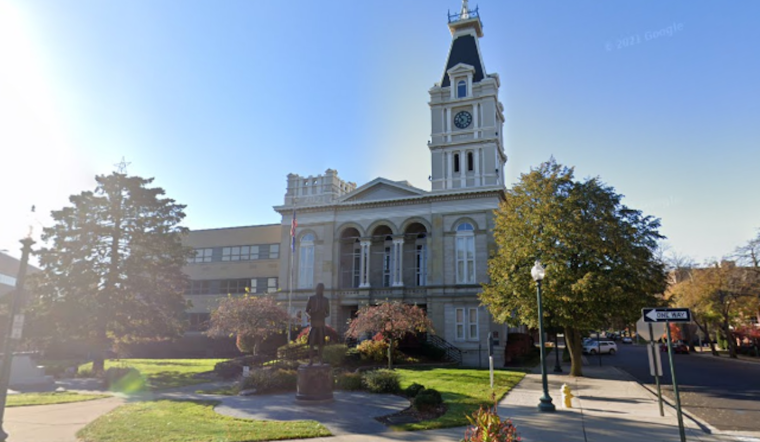
A Monroe County judge recently denied three motions to suppress evidence in the trial of 67-year-old Marshella Chidester, who is accused of crashing into the Swan Boat Club while driving under the influence, resulting in the deaths of two children. Judge Daniel White's ruling means that statements made by Chidester at the scene will be admissible in court, despite the defense's argument that they were involuntarily made before her being read her Miranda rights. According to Audacy, captured on police body camera footage, Chidester admitted to feeling like a "seven" on a scale of sobriety from zero to ten and even said she "wouldn't want to drive."
The case stems from the April 20, 2024, crash in Newport that has shaken a community. Chidester faces charges that include two counts of second-degree murder and several counts related to operating a vehicle while intoxicated. Her defense team's recent attempt to contest the admissibility of her blood alcohol content results is yet another focal point in what has become a highly scrutinized legal battle. Bill Colovos, Chidester's attorney, alleges in a statement detailed by CBS News Detroit that the blood sample's handling could wrongly have elevated the level of alcohol it contained.
During the Walker Hearing, intended to assess the voluntariness of statements made to police by a defendant, footage showed Chidester conversing with officers after the crash. According to court reports by ClickOnDetroit, the defense had argued that Chidester was trapped into being questioned without Miranda rights. Nonetheless, the presiding judge found that Chidester's statements were made voluntarily during basic investigatory questioning akin to a typical traffic crash inquiry.
Ahead of the trial set for March 3, the defense plans to continue fighting to suppress the blood alcohol content results. Colovos emphasized concerns about the preservation and fermentation of the blood sample, citing potential flaws in the process. "When they took the blood, when they were supposed to preserve the blood when they transported the blood, and when the blood was tested, all of it was faulty," Colovos stated, as per CBS Detroit. A hearing concerning this particular piece of evidence is scheduled for February 21.




