

























































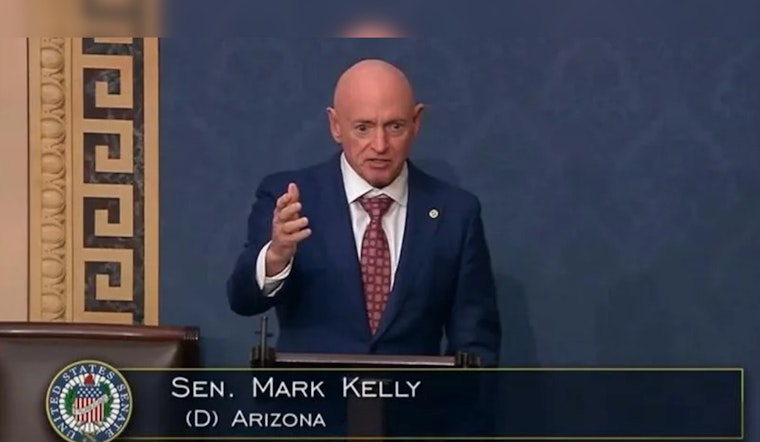
Stepping into the fray of energy policy and employment concerns, Arizona Senator Mark Kelly recently expressed sharp criticism of President Trump's latest move—a blockade on the advancement of clean energy initiatives. Facing the Senate floor with a sense of urgent responsibility, Kelly underscored the strain that these actions could place on household finances and the domestic job market. He implored his colleagues to acknowledge the looming threat: utility bills on the rise and the specter of American manufacturing jobs slipping away.
The context here is a familiar one, set against the backdrop of a nation addressing its energy demands and economic stability. While Arizona's power consumption reaches new highs, the country continues to produce sufficient electricity. However, "President Trump is throwing red tape around our energy production, which will raise utility bills and send American manufacturing jobs back overseas," Kelly lamented, as reported by his Senate website. At the heart of his rebuke was a pointed critique of a policy framework that, in Kelly's view, unfairly favors the fossil fuel sector while diminishing clean energy's prospects.
Trump's approach to energy policy, according to Kelly, is defined by its preferential treatment: "The winners are fossil fuel companies and China," he contended, positioning these entities as beneficiaries of a misguided strategy, as per a report by Senator Mark Kelly's Office. "The losers are everybody else. Families are going to face higher utility bills. Manufacturers are going to lose the support they were counting on. Workers are going to see their jobs go back overseas." Kelly called for bipartisan support for an initiative led by Senators Kaine and Heinrich, which he sees as key to protecting American manufacturing and clean energy.





