

























































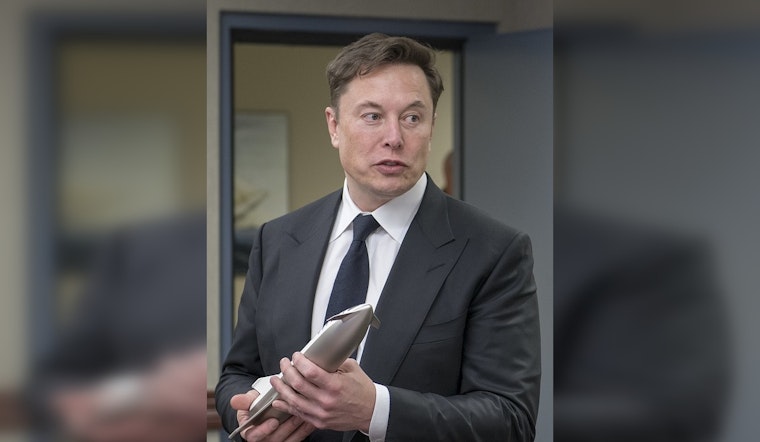
Thirteen states, including California and New York, have announced their commitment to launching a legal battle against the Trump administration’s decision to grant Elon Musk’s Department of Government Efficiency, or DOGE, access to personal information through federal payment systems. Patch reported that California Attorney General Rob Bonta stated, "As the richest man in the world, Elon Musk is not used to being told ‘no,’ but in our country, no one is above the law," the statement signed by California Attorney General Rob Bonta said. "The President does not have the power to give away our private information to anyone he chooses, and he cannot cut federal payments approved by Congress."
Despite reassurances from the Treasury Department of merely having "read only" access, concerns about the potential for DOGE to interfere with the disbursement of pivotal federal payments persist. These programs, which include Social Security and Medicare, are essential to millions. However, according to CBS News, the Treasury has confirmed that DOGE's access is limited and cannot impact spending. This arrives just as a federal judge restricted access to the Treasury's payment systems to only two Musk allies, denying any further accessibility, including that of Musk himself.
This legal action signals an intensifying clash over privacy and executive power, igniting bipartisan alarm over one individual's unprecedented control over sensitive data. As reported by The Associated Press, Democratic members of Congress share a similar trepidation that Musk's influence within the government is disproportionate, especially considering his unelected status and provocative social media assertions of DOGE's objectives to halt funding to certain organizations.
The immediate legal strategies of the attorneys general remain unclear, but their unified stance reflects a broader contestation against the centralization of data access within the hands of a non-governmental actor. The attorneys general's efforts to press their case against DOGE's access suggest the emerging complexity of balancing austerity within the federal apparatus, personal privacy, and national security. "This level of access for unauthorized individuals is unlawful, unprecedented, and unacceptable," the group of attorneys general, including those from New Jersey and Vermont, have coalesced around this message, reinforcing their intention to defend the Constitution and safeguard the American public's data and essential services.





_(cropped).jpg)