

























































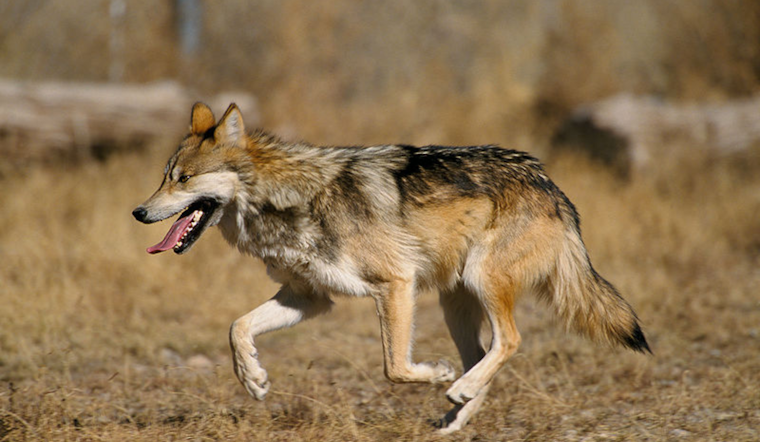
In a recent statement from Colorado Parks and Wildlife (CPW), it was confirmed that an uncollared wolf was responsible for livestock depredation in Jackson County, signaling a growing need for effective mitigation strategies to manage the intersection of wildlife and ranching interests. On February 5th, a field investigation, led by a CPW wildlife officer, determined that injuries on a cow were consistent with a wolf attack after initial reports of depredation were made, with the conclusion coming through evidence gathered on-site and in partnership with outside agencies; CPW damage specialists are now working with the affected producer and their neighbors to provide non-lethal tools to deter future incidents.
This incident is notable as the wolf involved was neither part of Colorado's reintroduction effort nor fitted with a collar for monitoring, raising questions regarding the source of the animal and stressing the necessity of public reports on wolf sightings which helps in tracking the movements of these animals that have wandered into the state from elsewhere. These sightings are crucial as they provide CPW with data to maintain at least two active collars per pack, especially important in this phase of wolf recovery where the vast majority is collared allowing for improved collaboration with ranchers on conflict minimization, however, when a wolf is without a collar, CPW relies on physical signs such as scat and prints.
According to Colorado Parks and Wildlife, "CPW relies on sightings from the public to let us know if other wolves are being seen on the landscape that have moved in from other states," an acknowledgment that wolf movement is normal and anticipated, as the wolf population increases in the state, CPW is committed to informing local producers when wolves are active within their areas and setting up assessments to deploy preventive measures against potential conflicts. Furthermore, victims of wolf depredations may be eligible for reimbursement for losses, and encouraged to file a claim within 90 days of notice with a deadline of December 31 of the year the loss occurred for the fair market value of their affected livestock as part of CPW's Gray Wolf Compensation and Conflict Minimization Program.
CPW continues to navigate the balance between animal conservation and agricultural priorities under the guidance of both the Colorado Wolf Restoration and Management Plan and in coordination with the U.S. Fish and Wildlife Service, the approach is impact-based to ensure practical outcomes, more details on this scheme are available through CPW's Wolf-Livestock Conflict Minimization Program Guide, which outlines resources for livestock producers to mitigate potential wolf conflicts. Despite their protected status under the federal Endangered Species Act (ESA) and state law, with penalties for illegal takes including fines as high as $100,000, jail time, and the forfeiture of hunting privileges, the integration of wolves back into Colorado's ecosystem presents an evolving challenge that requires ongoing public education and community-based management strategies.





