

























































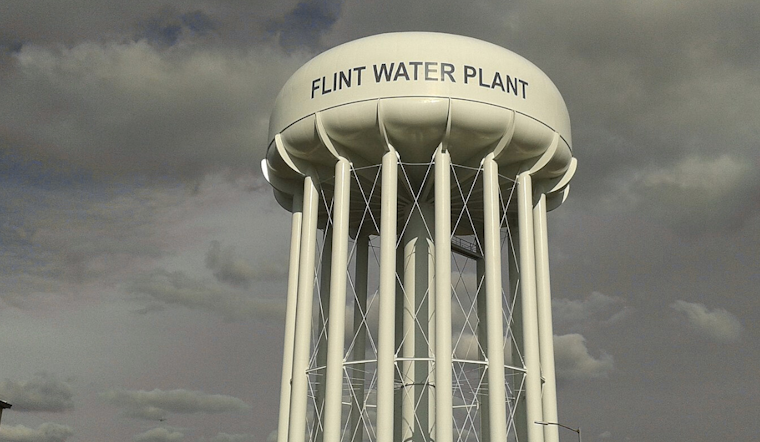
After a prolonged legal struggle, Veolia North America has reached a $53 million settlement with the residents of Flint, Michigan, who claimed the engineering firm had a role in the city's water crisis. This settlement is an addition to last year’s $25 million class-action lawsuit agreement and is meant to address the claims of roughly 26,000 individuals represented by law firms. The Michigan Attorney General's Office signaled its satisfaction with the resolution. According to CBS News, Attorney General Dana Nessel stated, "After years of drawn-out legal battles, this settlement finally closes a chapter for Flint residents."
In the face of accusations, Veolia steadfastly denied any wrongdoing. In a statement reported by CBS News, the company argued that the crisis "was caused by government officials." While settling the lawsuit, Veolia stated this was "in no way an admission of responsibility," feeling that this agreement offered the most efficient path to avoid prolonged litigation and to provide closure to all involved parties. Although the settlement was reached, critics have expressed concerns that Veolia could have taken more proactive measures during the consulting period, especially amid testing revealing elevated lead levels in children's blood.
The Flint water contamination issue began in April 2014 when the city's emergency management decided to switch from Detroit's Lake Huron water system to the Flint River for water supply. Inadequate treatment of the water led to lead leaching from old pipes into the drinking water—adversely affecting a vast number of residents. By the fall of 2015, the water source was switched back after the discovery of the heightened lead levels. As per information from The Detroit News, Veolia recommended the use of proper corrosion control measures that could have prevented the issue, but only after nearly 10 months of using water from the Flint River.
Veolia's settlement is the latest in a series of financial compensations for the Flint disaster. This brings the total payouts to residents impacted by the water crisis to nearly $700 million, once combined with the prior $626 million settlement that included contributions from the state of Michigan, the city of Flint, McLaren Regional Medical Center, and Rowe Professional Services Co. Officials have highlighted that a significant portion of the funds from these settlements has been earmarked to ensure the well-being of the children affected by the exposure to the contaminated water. "These funds will provide additional resources to those directly impacted, especially Flint children, by this preventable crisis," Attorney General Nessel told CBS News.



