

























































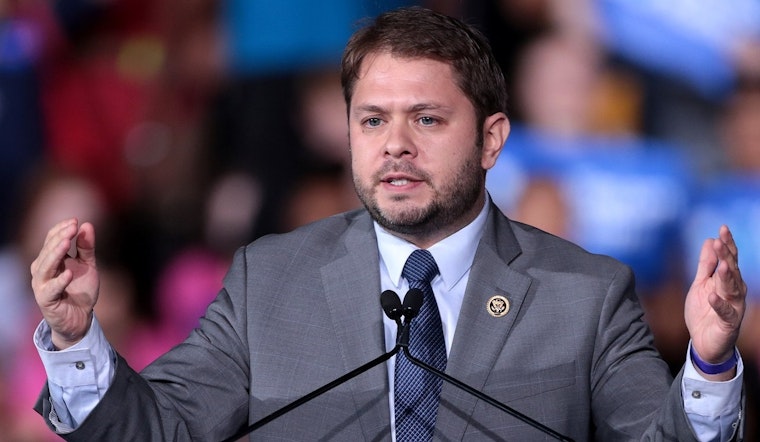
Senator Ruben Gallego (D-AZ) has joined forces with 24 bipartisan colleagues to challenge an executive order to cut funding for the Community Development Financial Institutions Fund (CDFI Fund). They've raised concerns that such a cut would undermine the economic stability of small businesses and the broader local economies that depend on them. Issued late Friday night, Trump's executive order threatens the resources that enable these institutions to serve underserved communities with crucial access to capital.
With more than 1,400 CDFIs working tirelessly across the nation, their impact on the economy is substantial, proving vital to urban and rural regions that traditional banks often overlook. As reported by Senator Gallego's office, Arizona's economy alone has been buoyed by $3.2 billion in CDFI support, reflecting the critical role these institutions play in the broader economic tapestry – offering affordable growth capital to small businesses and financing essential real estate development that helps keep housing costs manageable through new construction and mortgages.
The senators are not just standing still against the administration's attempts to slash the CDFI Fund, warning in a letter to Treasury Secretary Scott Bessent that the cuts pose a genuine threat to economic progress. "Over 1,400 CDFIs represent a significant portion of America’s financial services sector, delivering over $300 billion in financial services each year to urban and rural communities across every state," the letter outlines, emphasizing the breadth and depth of the CDFIs' contributions. This network of institutions, they stress, facilitates more than 100,000 small business loans annually and generally promotes the financial resilience of homeowners nationwide.
The bipartisan group, led in part by Senate Community Development Finance Caucus co-chairs Senators Mark Warner (D-VA) and Mike Crapo (R-ID), also refuted the administration's claim that shrinking the CDFI Fund would lead to more efficient use of taxpayer dollars. Challenging this position, they pointed out the program's return on investment, stating, "Every federal dollar injected into a CDFI generates at least eight more dollars from private-sector investment." This high leverage ratio highlights the symbiotic public-private partnership model at the core of the CDFI Fund's success, a model that has seen industry assets triple and a 40 percent rise in the number of CDFI-certified entities, due in part to investments made by the Trump Administration itself in 2020.
As the debate continues over the future of the CDFI Fund, the senators maintain a firm stance on preserving a program that has proven its worth as a catalyst for economic development and stability. The bipartisan coalition of senators, including Senator Gallego, which had 23 other signatories, seeks to ensure that the hard-won progress enabled by the CDFI Fund is not undone by the proposed executive cuts.



.jpg)