

























































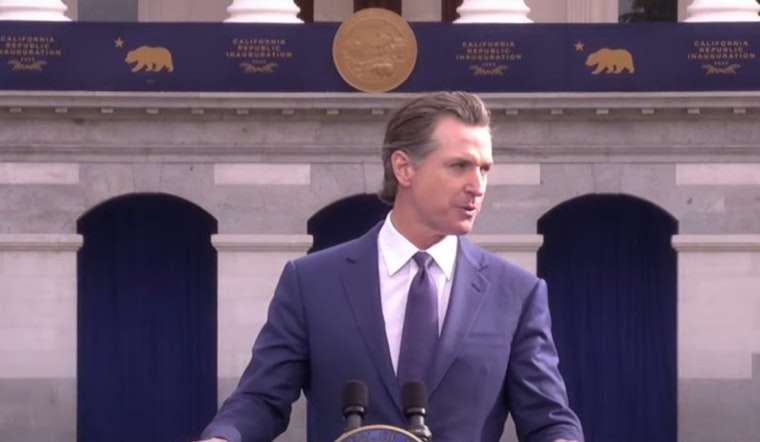
In a significant shift toward traditional work settings, Governor Gavin Newsom has directed California state agencies to bring workers back to the office, expecting state employees at all levels to be present in-office for a minimum of four days per week starting July 1, according to an executive order published on March 3rd. The move, targeting increased collaboration and accountability, requires updates to existing telework policies amidst a broader effort to strengthen the state's workforce, particularly in emergency and disaster response roles.
Newsom's decision to transition away from the hybrid telework model emphasizes the fundamental role in-person interaction plays within governance, improving mentorship, enhancing accountability, and ultimately delivering improved service to the California public. The executive order is looking to build back a sense of community and efficiency often attributed to physical work environments, it spells out a case-by-case telework flexibility that must align with family-friendly employment policies and legal obligations. Along with the office mandate, Newsom's administration is actively courting former federal employees who have expertise in firefighting, forest service, and weather forecasting to shore up its prepared workforce amid federal cuts.
This pivot to more traditional work practices is also strategically paired with targeted recruitment efforts, with California aiming to position itself stoutly against the recurrent threats of wildfires and drought that afflict the state. These recruitment efforts look to tap into the skills and experience of ex-federal employees in a bid to better prepare for environmental challenges and enhance public safety and services to residents, "State employees are the backbone of our government," Newsom said, "In-person work makes us all stronger — period. When we work together, collaboration improves, innovation thrives, and accountability increases," a sentiment shared by the state leadership investing in the skills of seasoned professionals from key areas.
The California Human Resources Department has been given the nod to streamline processes, facilitate the hiring of these vital roles, and notify impacted bargaining units news that comes as the state grapples not only with natural disasters but also with the ongoing endeavor to bolster a robust public sector poised to effectively manage its vast responsibilities and resources. The practical measures laid out by the Governor include developing plans to support increased in-person work and considering workplace facilities and employee transportation options, ensuring the state remains competitive and prioritizes its commitment to its workforce.





