

























































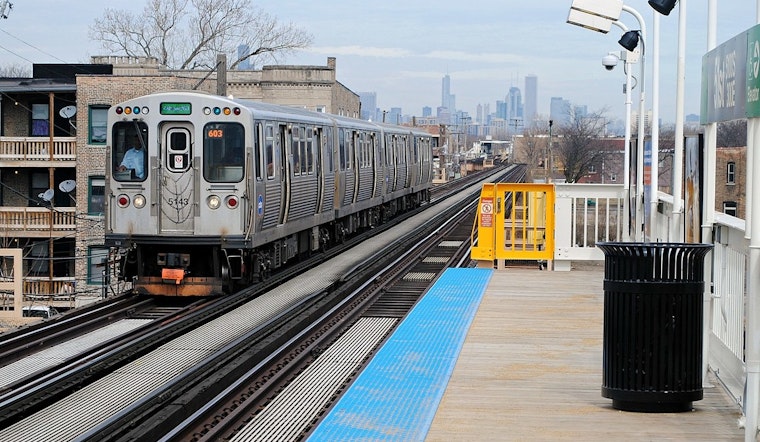
The fate of Chicago's public transportation hangs in the balance as transit leaders announce potential service cuts that could reach up to 40% by 2026, pending state legislators' actions. The Regional Transportation Authority (RTA) outlined, in stark terms, the drastic reductions across the CTA, Metra, and Pace that commuters may face if a $770 million budget shortfall isn't addressed after federal COVID-19 aid concludes. "This isn't just a transit crisis, it’s a regional emergency," RTA Executive Director Leanne Redden stated, emphasizing the urgency of the situation, as reported by the Daily Herald.
With a looming 'fiscal cliff' in the next year, transit agencies are looking at a future where, half the CTA's bus lines could disappear, and Metra's Electric Blue Island branch might see the end of its service. Pace could eliminate all weekend bus service, a crucial means of transportation for many, according to a report by the RTA published on Friday. "CTA’s impact is going to be huge," Redden said in an interview, acknowledging the broader repercussions on traffic and employment, as seen in the Chicago Sun-Times.
Details from a recently released report by the RTA reveal a grim picture where Metra could halve its services, and over 50 CTA train stations might close or severely reduce their services. The BNSF Line, Metra’s busiest route, faces a reduction to less than half of its current 91 daily trains. For Pace riders, the cessation of weekend bus service and the termination of late-night service on 62 routes could mean a world of difficulty, especially for late-shift workers. Moreover, paratransit services operated by Pace for riders with disabilities would see significant cutbacks on weekends.
If no additional funding is allocated this spring, the RTA plans to hold public engagement sessions to ensure equity in the impending service reductions, as mandated by Title VI of the Civil Rights Act. The cuts could commence on the CTA as early as March 2026, Maulik Vaishnav, the RTA’s senior deputy executive director, divulged. The downturn in public transit, fueled by the pandemic's drastic effect on ridership, is a potential turning point, spiraling into layoffs for nearly 3,000 transit workers, and further jeopardizing the regional economy. A funding increase of $1.5 billion a year is the RTA's proposed solution to stave off disaster, aiming to increase both the frequency of public transit and improve overall safety, the Daily Herald shared.
State lawmakers stand as the fulcrum, deciding the direction public transit will pivot towards. There are current bills in motion, like Senate Bill 5 and Senate Bill 1938, which propose various levels of restructuring, from merging agencies into a 'mega agency' to bolstering the RTA's authority over the individual transit entities. However, state Rep. Marty Moylan makes clear the hesitancy from some lawmakers to disburse funds without accountability: "I'm not going to give them a dime until we get some reforms," he conveyed to the Daily Herald.





