

























































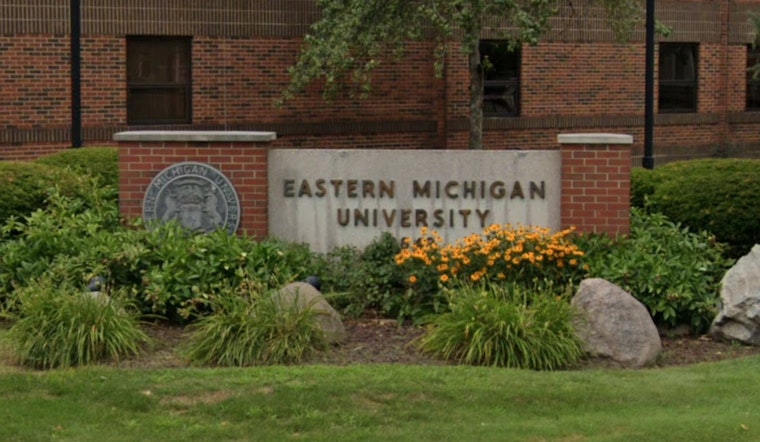
Eastern Michigan University (EMU) is bringing academia behind bars to a new level by including incarcerated students in its 45th Annual Undergraduate Research Symposium. A first for Michigan, 12 students from the university's College in Prison program at Women’s Huron Valley Correctional Facility will present their research through pre-recorded presentations, according to Eastern Michigan's news service. These presentations, scheduled tomorrow at EMU's Student Center, will tackle topics ranging from improvisation in education to the impact of poetry on one's psyche to dismantling the school-to-prison pipeline.
Meghan Lechner, director of the College in Prison program, extolled the event as "monumental" for the students involved, it's expected to serve as an insight into the rehabilitative power of education. As reported by ClickOnDetroit, this initiative doesn't just showcase student work, but also "challenge perceptions about higher education and incarceration." The recently released student finishing her degree on EMU’s main campus will cap off the event with an in-person presentation, marking a significant milestone for the program.
The College in Prison program, which offers the same curriculum and expectations as main campus classes, also appears to bring about positive changes within the correctional setting. As per WEMU's coverage, Lechner noted an observable impact: "Behavior concerns have gone down. Students are more engaged. Students in their prison life are happier. They cause fewer problems, and they’re remaining healthier people, which is really what we want."
The opportunity to present academic work publicly gives a voice to those often silenced by the prison system. College in Prison student Jacara Moore expressed this sentiment, stating, "Although I am incarcerated, I feel liberated." She hopes that the audience recognizes the "power of improvisation and how it can enhance real-life experiences in meaningful ways," as mentioned by ClickOnDetroit. EMU's initiative supports reintegration by equipping incarcerated individuals with educational tools and, the recognition of their scholarly contributions.





