

























































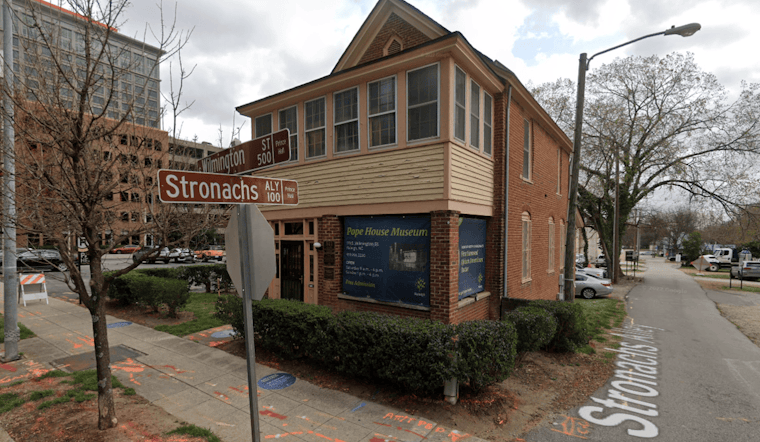
For those looking to step into a significant chapter of Raleigh's African American heritage, the Dr. M.T. Pope House Museum announces an offering that marries education with an outdoor stroll. Beginning March 22 and running through June 22, the museum is hosting the Weekend African American Third Ward Walking Tour. The tour will unearth the rich history of one of Raleigh's oldest and most influential Black neighborhoods, which nestles against the background of Shaw University, as per the City of Raleigh's release.
This cultural expedition is set to take place from Tuesday to Saturday between 10 a.m. and 2 p.m., and on Sundays from 1 p.m. to 3 p.m., ensuring ample opportunity for all interested parties to engage. Though this immersive experience is free as a public service, the museum encourages advance registration, acknowledging the melding of accessibility with organization. The Pope House Museum's announcement states that the tour is open to all ages, an invitation for families to participate in an intergenerational exchange of knowledge and reflection.
Wrapped in the narrative of the Third Ward are the stories of culture, enterprise, and education that have long been stepping stones in the community's journey. Located by a historic institution, Shaw University, the neighborhood served as a beacon of African American progress and solidity in times where such beacons were desperately needed. The walking tour intends to spotlight these stories, bringing to life the people and the movements that shaped this key district in Raleigh's tapestry.
Historical tours such as the one provided by the Pope House Museum not only contribute to the educational texture of the city, but also act as a reminder of the ongoing legacy of African American contributions to the urban and cultural landscape. The initiative is a testament to the enduring relevance of spaces that empowered black voices and enterprise through history. Registrants are invited to immerse themselves in the vivid history of the Third Ward and reflect on its implications for the Raleigh of today—and tomorrow.





