

























































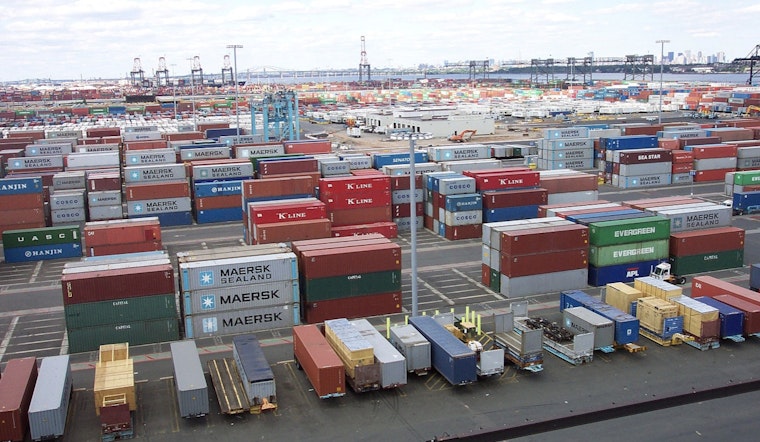
The new tariffs on imports from Mexico, Canada, and China are expected to lead to price increases across a wide range of goods, from groceries to consumer electronics. Richard Alanis, owner of Four Boys Produce in north Houston, pointed out that food prices, particularly for items like "tomatoes, cabbage, squash, cauliflower," will likely rise due to the tariffs. In an interview with KHOU 11, Alanis expressed concern that these cost increases would be passed down from vendors to consumers, resulting in higher prices at the store.
According to data detailed by CNN, consumers may not experience the full impact of the tariffs right away, but price increases are expected across a range of products, from fresh produce to home appliances and footwear. As major suppliers of food to the U.S., Mexico and Canada are expected to contribute to higher grocery bills. For instance, Mexico is the largest supplier of fresh produce, while Canada is a leading exporter of grains and meats.
Analysts predict that companies may have to either absorb the higher tariff costs or adjust their supply chains, potentially delaying or reducing price hikes for consumers. However, retailers with slim profit margins, such as grocery chains, might have no option but to pass these costs on to customers. Target CEO Brian Cornell confirmed this possibility in a CNBC interview, stating that the company may soon raise prices on fruits and vegetables due to the impact of the tariffs.
Moreover, other industries are expected to feel the impact of these duties. For instance, a significant portion of consumer electronics sold in the U.S. come from China, a country that is also a major supplier of the shoes, with over half of shoes sold in the United States manufactured there. This reliance on imported goods underlines how tariffs could influence prices in sectors beyond agriculture.
The automotive industry is also bracing for potential price surges. A multitude of parts move back and forth across the U.S., Mexican, and Canadian borders numerous times in the production process of vehicles, and the tariffs could disrupt this delicate balance. Peter Nagle, an automotive economist for S&P Global Mobility, told CNN, "There’s probably not a vehicle on the market today that wouldn’t be affected in some form or fashion by tariffs." In addition to increasing vehicle prices, the tariff's impact could also lead to reduced production and job losses within the auto industry.


