

























































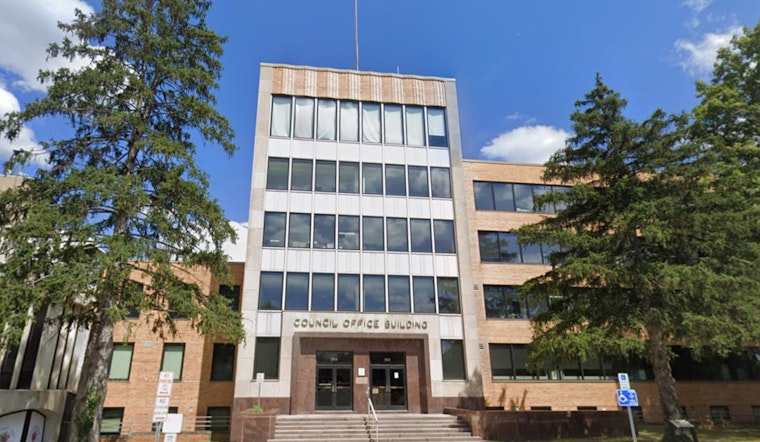
Montgomery County Council stepped up its infrastructure game with the approval of a new resolution aimed at revamping how they tackle funding for community needs. With a unanimous vote, the lawmakers gave the green light for the creation of the Infrastructure Funding Workgroup. According to Montgomery County Council's official statement, the focus will be a deep dive into the needs of the county's schools, transportation, and parks, with the goal of developing an equitable and sustainable funding approach.
Digging into what sparked the change, the council has taken a critical view of impact taxes—challenging their effectiveness. "Impact taxes as currently conceived do not work," expressed Council President Kate Stewart. Her concerns echo frustrations that the existing system could use a makeover to better support housing, climate resilience, and economic development. The move follows the adoption of Expedited Bill 16-24 last November, which tweaked impact tax laws but didn't affect school impact funding according to the council's release.
In line with these changes, the newly formed workgroup will not just identify funding sources but also align them with the county's policy standards. In a statement that underscores the expansive scope of the group, Councilmember Sidney Katz stated, "Through a multi-stakeholder approach, we are committed to creating equitable and sustainable funding strategies that move forward our priorities in housing, climate preparedness and economic development." His words capture a key ambition of the initiative: to ensure the county's growth does not come at the expense of its overarching goals.
The composition of the workgroup is set to be as diverse as their tasks at hand. Bringing together Council staff and representatives from key departments, the group is rounded out with for-profit and nonprofit developers. Stressing the importance of a balance between funding public infrastructure and maintaining a thriving economy, Councilmember Andrew Friedson highlighted the value of this inclusive perspective. "I appreciate the collaboration of committee colleagues supporting my recommendation to add the perspectives of impacted stakeholders, including nonprofit housing providers and to ensure the workgroup's efforts balance our county policy priorities," he told Montgomery County Council.
With the group's formation now official, they have a deadline looming on the horizon; a final report must land on the council's desk by June 30, 2026. This report is expected to gather insights and proposals that could redefine Montgomery County's approach to infrastructure funding—a blueprint for building a future that's both prosperous and just. Residents and stakeholders alike will wait to see how this workgroup translates its expansive vision into actionable strategies that can stand the test of time and change.




