

























































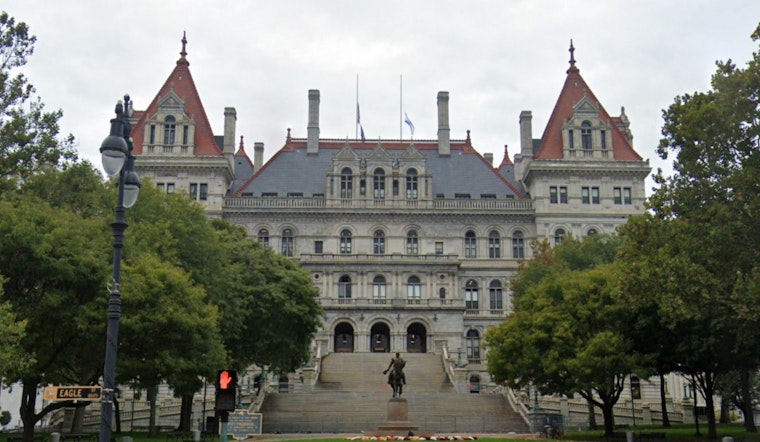
A legislative push is underway in New York to close what has been described as a significant loophole in its drugged driving law. Currently, in order to prosecute drugged drivers, the specific substance must be identified and listed under state control, which advocates argue lets potentially dangerous drivers off the hook until after a tragedy has occurred. According to a CBS News New York report, the proposed bill would broaden the definition of "drug" to encompass any substance that impairs, aligning New York with 46 other states.
The existing legislation is under particular scrutiny due to a caveat that lets drivers refuse to identify the drug they have ingested or reject a toxicology test, subsequently avoiding charges or mandatory treatment. Families of victims, such as the Riveras, who lost their son Alex to a drugged driver in 2007, have been campaigning for an amendment to this law for over a decade. Assemblyman Bill Magnarelli, the bill's sponsor, expressed frustration, "There haven't been these problems that have been raised in 46 other states, so why is New York state holding this up and allowing our citizens to be maimed and killed?" according to CBS News New York.
In addressing the concerns regarding targeting and prosecuting drugged driving, Speaker Carl Heastie expressed his worries about potential overpolicing, especially within communities of color. "I'm also concerned that, particularly, you know, communities of color get overpoliced, and I just don't want this to be something that opens the door to overpolicing," Heastie said, as CBS News New York reported. He also underlined the absence of a reliable test akin to a breathalyzer for drugs other than alcohol as a factor in his stance on the issue.
Advocates argue that the current law does not account for newly emerging intoxicants that have not been officially recognized and listed, leaving a gaping window where impaired individuals can escape liability. In a statement obtained by the New York Post, state Sen. Anthony Palumbo, described the situation: “That’s the dynamic that just belies common sense in reality.” Forensic scientist Michael Archer also highlighted the challenges in developing a test that would be capable of detecting a wide array of drugs, explaining the complexity of calibrating such a device for multiple substances.
Magnarelli's legislation, meanwhile, has drawn broader support, including that of Governor Kathy Hochul, who proposed including the drugged driving bill as a policy item in the state's budget plan. As negotiations on the budget begin, families like the Riveras continue their emotional pleas for change."And being here today brings that memory, when I had to walk into that hospital and see my son in a bed, dead in a bed, full of blood," Migdalia Rivera said, recounting the loss of her son as she joined others in Albany fighting for the bill's passage, as reported by CBS News.





