

























































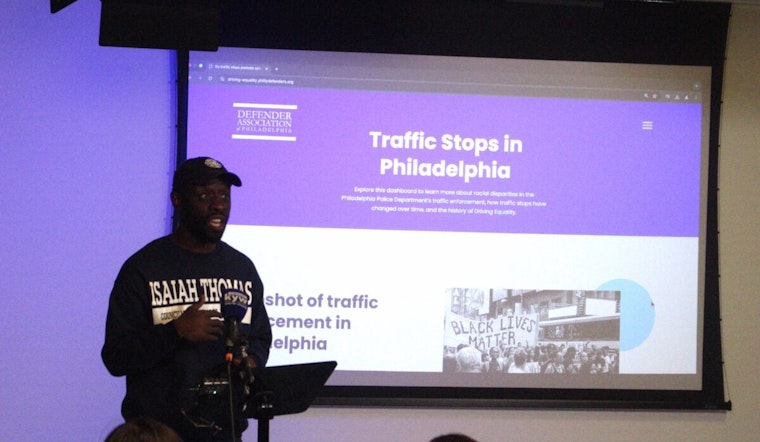
Philadelphia's City Council Majority Whip, Isaiah Thomas, is marking the third anniversary of his influential Driving Equality law, a significant step towards traffic law reform in the city. On this occasion, Thomas, in collaboration with the Defender Association of Philadelphia, introduced the new Driving Equality Dashboard—a tool that aims to shed light on the nature and impact of traffic stops across the city. This initiative is positioned as a move toward greater transparency in policing and an effort to refocus police resources on more serious traffic violations that threaten public safety.
The inauguration of the dashboard aligns with efforts to reduce discriminatory traffic stops, particularly against Black drivers, for minor offenses. "We have made considerable so far in reducing the number of Black drivers stopped for low-level violations. Police time is scarce and should be focused on traffic stops that do have negative consequences for public safety, like red light and stop sign running, speeding, and other dangerous behaviors," Councilmember Isaiah Thomas stated. The dashboard features data about the frequency of stops, demographic information on the motorists, the reasons behind the stops, and which districts experience the highest number of traffic stops.
Also of interest is the intersection of traffic stops and public safety measures. According to the dashboard, the proportion of stops made by Philadelphia police on the High Injury Network (HIN) has gone up by 12.4% after the law's implementation. Yet the data reveals that fewer than half of these stops take place on these high-risk roadways. The Driving Equality law originally eliminated stops for eight minor motor vehicle code violations, allowing officers to focus on apprehending those involved in more hazardous infractions.
The reforms introduced through Driving Equality include alterations in policy handling expired documents and minor vehicle defects, such as a broken brake light or minor bumper issues. These changes come in the wake of nationwide calls to reform policing practices, including traffic stops, especially following high-profile incidents such as the death of Tyre Nichols in Memphis. As a testament to the perceived success of the policy, similar Driving Equality laws have been replicated in other municipalities, including an ordinance introduced by Memphis City Councilmember Michalyn Easter Thomas. This spreading of policy ideas underscores a growing acknowledgement that reallocation of police resources might enhance public safety while reducing unnecessary confrontations.




