

























































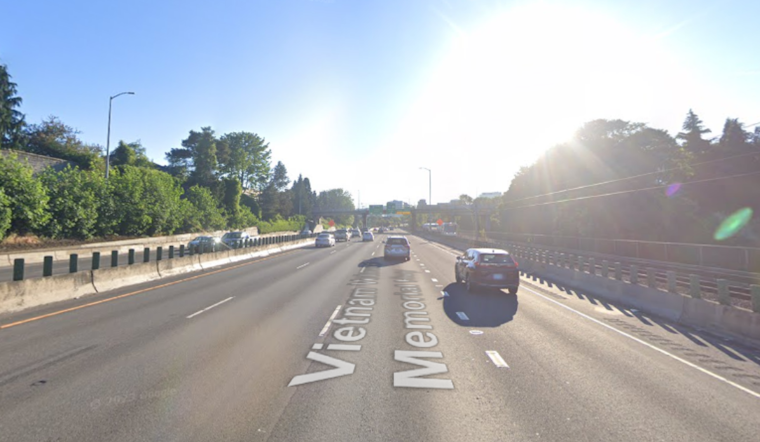
A sewage spill on Interstate 84 has prompted a public health advisory, cautioning residents to steer clear of the Willamette River and Kevin J Duckworth Memorial Dock. Last Saturday night, a clog in the city's sewer main caused an estimated 3,300 gallons of wastewater to overflow from a maintenance hole, according to Portland's Environmental Services. The blockage was mitigated, and the flow of sewage ceased at 10:33 pm.
The aftermath of the incident has heightened concerns regarding E. coli contamination in the Willamette River, leading to Environmental Services gathering water samples to determine the extent of the impact and the announcement that people should avoid the affected waters through midnight Tuesday, March 18. The public notice, coming on the heels of the release, emphasizes the risk of bacteria that may have surged due to sewage being discharged into the river.
Environmental Services has issued preventative advice to safeguard the environment and public health. They urge the public to discard household items such as wet wipes and cooking grease properly and not dispose of them in sinks or toilets since these are the most prevalent causes of sewage overflows. Additionally, they stress that wet wipes, despite often being branded as flushable, should not be flushed, and cooking grease should be collected in a container and thrown in the trash.
Environmental Services also emphasizes the proper use of storm drains for rainfall only and the significance of keeping them clear of any debris not associated with stormwater to avoid adding to the issue. If an individual notices or experiences a sewer overflow, they should not hesitate to report it immediately by contacting the city's hotline, available 24/7, at 503-823-1700. This precautionary measure aims to prompt rapid response and minimize potential environmental and infrastructural harm.



