

























































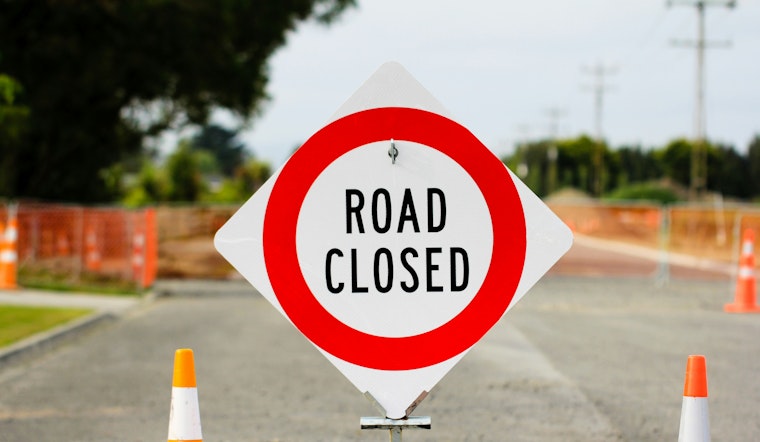
Raleigh residents, brace yourselves for some construction-related upheaval. A section of Hargett Street is due to shut down starting next Monday, as crane operations swing into motion. This is to support the behemoth task of erecting the City of Raleigh's new City Hall, a significant infrastructure addition announced by the City of Raleigh on their official website. The westbound lane between McDowell Street and Dawson Street will be out of action until the end of the year—December 31, to be precise.
The closure aims to safely allow the installation of pre-cast panels and to significantly, though temporarily make a continuous concrete pour for the building's floors. Motorists will need to reroute, but the good news is all businesses will keep the lights on, sidewalks will remain traversable, and although cyclists will need to detour, clear signs will point them in the right direction. For the bus-riders among us, note that the stop by the Municipal Building will be shifting west of Dawson Street—handily close to A Place at the Table. Traffic will be redirected right onto McDowell Street, left onto Hillsborough Street, and then a left onto Dawson Street to loop back onto Hargett Street.
"We appreciate your patience as we build a modern and accessible City Hall for Raleigh," reads a late-night dispatch from the city's transportation news feed, posted yesterday. This construction project is more than mere inconvenience—it's the slow march of progress, reshaping the city's heartbeat, one closed street, and detour at a time. The day-to-day journey might get a bit jumbled, but the eyes of the city administration remain pegged on the prize of a new civic hub, slated for completion when we bid farewell to 2025.
According to the City of Raleigh, Data on alternative bike routes and any additional traffic advisories will be updated regularly to help residents and visitors maneuver the changes with grace—or at least, less frustration. Keeping the community informed, resilient, and safe during this construction phase is just part of the city's broader commitment to transparency and accessibility, as much in communication as in the future physical spaces we are waiting to inhabit.





