

























































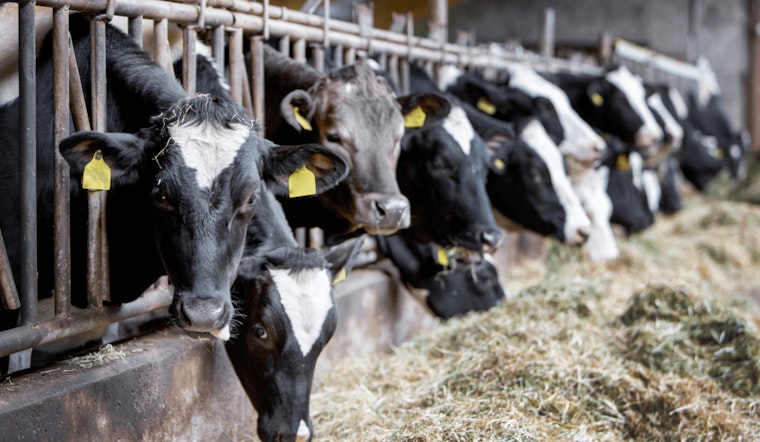
Bird flu has made an unexpected landing in San Bernardino County, with the H5N1 virus detected across four dairy farms, signaling a potential health concern. Public health officials continue to dub the risk to the general public as "relatively low," however, they stress that there has been no person-to-person spread documented within California thus far. "While the risk of bird flu to the general public remains low, the detection of this virus in animals across multiple farms serves as a reminder to practice caution when handling animals or animal products," San Bernardino County Health Officer Sharon Wang imparted, underlining the importance of vigilance, as reported by KTLA.
Residents and their pets should stave off consumption of raw, unpasteurized milk and at bay keep undercooked meat from their diets to lower the risk of contracting the virus. Wearing protective clothing while interacting with livestock and wildlife, avoiding handling sick animals, and keeping good hand sanitation practices, could also serve as key defenses against H5N1. "It’s crucial to avoid raw milk consumption and follow proper food safety practices to reduce any potential risk of exposure," advised Wang as per a statement obtained by San Bernardino County's official website.
Symptoms of H5N1 in humans, revealing within two to ten days after exposure, might include eye redness or discharge, coughing or sore throat, nasal issues, diarrhea or vomiting, body aches, headaches, fatigue, breathing difficulties, or a fever. These symptoms, subsisting subtle, are nonetheless indicators that demand attention and possible medical assessment.
Beyond the immediate precautions, health officials encourage people to remain updated with other vaccines, including those for influenza, COVID-19, and RSV. While those unable to directly guard against H5N1, protecting against simultaneous infections could help minimize overall illness rates and severity. "Stay up to date on vaccines for influenza, COVID-19 and RSV, particularly those at high risk, including pregnant individuals, to help protect babies who are born too young to be vaccinated," relayed officials through San Bernardino County's official website. Mask-wearing in crowded or high-risk settings, along with consistent good hand hygiene, remain recommended practices.
For those seeking further bird flu information or having raised concerns, the California Department of Public Health’s Current Bird Flu Situation webpage offers a wealth of resources and updates. Additionally, the San Bernardino County Department of Public Health’s Communicable Disease Section can be reached for queries during business hours at 1-800-722-4794, or on after-hours and weekends at 1-800-472-2376.





