

























































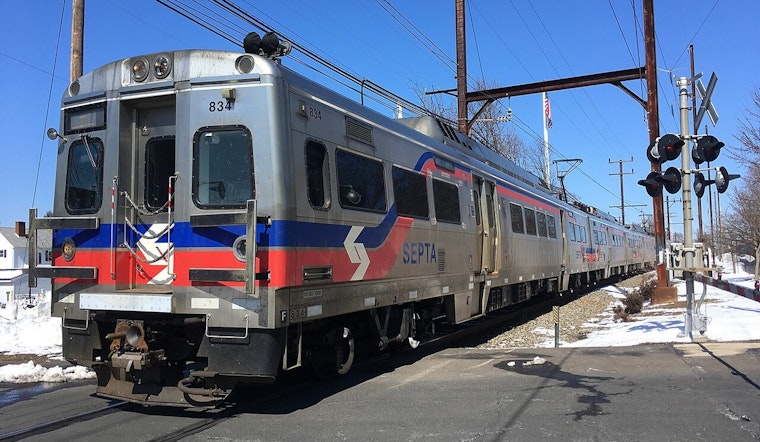
On February 6, a SEPTA Regional Rail train carrying approximately 325 passengers caught fire near Crum Lynne Station in Ridley Park, Pennsylvania, as detailed in preliminary reports by the National Transportation Safety Board (NTSB). According to NBC Philadelphia, trouble first began earlier in the afternoon when the engineer reported the train being "sluggish" and a fault light turning on. Despite a follow-up maintenance report indicating three railcars were "bad," leading to the train's slow movement, it continued on its journey from West Trenton, New Jersey, to Newark, Delaware.
The incident escalated when the engineer of the new crew detected a "strong burning smell" in the lead railcar after a crew change at Suburban Station, as reported by CBS News Philadelphia. Only minutes from departing 30th Street Station, the burning smell was noticed, the SEPTA train continued towards Delaware County. Observations of haze and smoke by the engineer did not halt the train's progress until it ultimately stopped near the Crum Lynne Station due to visible smoke trailing the lead car.
Actions taken during this emergency included the evacuation of all passengers and crew members, with no injuries reported, according to the NTSB. The first responders successfully extinguished the fire by approximately 8:09 p.m., and the damages incurred are estimated at around $10 million, as stated by SEPTA. As shared by 6abc, passengers recalled smelling a "weird smoky, sulfury smell" while leaving 30th Street Station, which intensified as they neared Crum Lynne.
The ongoing investigation by the NTSB is looking into multiple factors behind the incident, including the source of the fire, the electrical wiring, and SEPTA's inspection processes, as well as the response protocols of SEPTA's Regional Rail Operations Control Center. While many questions remain unanswered, investigators are scrutinizing the operational decisions that culminated in this near disaster, as well as the train's maintenance history and emergency procedures implemented soon after discovering the fire.





