

























































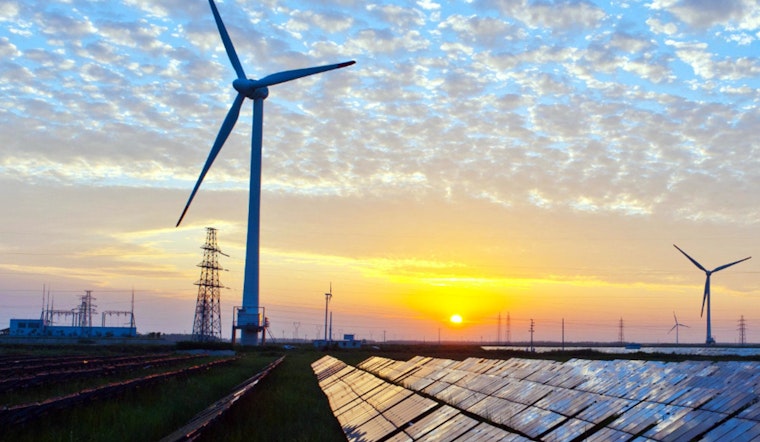
Four Southeastern Pennsylvania counties are blazing a trail toward a cleaner future, having adopted a bold renewable energy purchasing strategy as part of the Sustainable Energy Partnership of Southeast PA (SEP). Bucks, Chester, Delaware, and Montgomery counties are now procuring electricity for county operations through wholesale market purchasing, moving closer to their eventual goal of relying entirely on renewable energy sources. As they make headway, these counties have set clear targets: 25 percent by 2026, followed by 75 percent by 2030, and then 90 percent by 2032, before reaching the 100 percent mark by 2035.
"This partnership reflects years of collaboration and effort focused on delivering clean, affordable and reliable energy to our region," Bucks County Commissioner Chair Bob Harvie told Bucks County. The strategy not only lays down a renewable energy purchasing plan but also dictates guidelines for future power purchase agreements, including the prioritization of regional projects within the Delaware Valley and the development of new, rather than existing, energy generation facilities to aid in expanding clean energy initiatives.
Increased accessibility and purchasing power for renewable energy mark significant benefits of the SEP initiative. With this move, the counties not only strengthen their commitment to sustainable practices but also pave the way for more public entities to join the partnership. This expansion is expected to bolster the buying power and extend the reach of the SEP's environmental impact. Previously, the counties balanced their conventional energy purchases with Green-E Renewable Energy Credits, but reaching the 100 percent renewable goal will require a combination of strategies, including local project procurement.
SEP Energy Board Vice Chair Julie Bookheimer conveyed that achieving 100% renewable electricity targets will be a complex task, involving "supplementing those renewable energy credits with procurement of energy from local (mid-Atlantic) solar, wind, and hydroelectric projects, as well as on-site renewable energy at county facilities, and other strategic projects and partnerships," according to Bucks County official communications. WGLES, the electricity supplier, and EnelX, the energy consultant, are actively searching for renewable energy projects that could lead to power purchase agreements or the creation of new energy projects incentivized by federal funding.
Guidelines for new members to join the SEP, including municipalities, public school systems, and municipal authorities, were adopted in December 2024 by the SEP Board, allowing for a broader coalition supporting the move to renewable energy. "Adding new public members that have similar goals of transitioning to renewable energy will amplify the SEP’s purchasing power and impact, to the benefit of all," added Bookheimer, signaling a collective push toward an environmentally conscious future for Southeastern Pennsylvania.





