

























































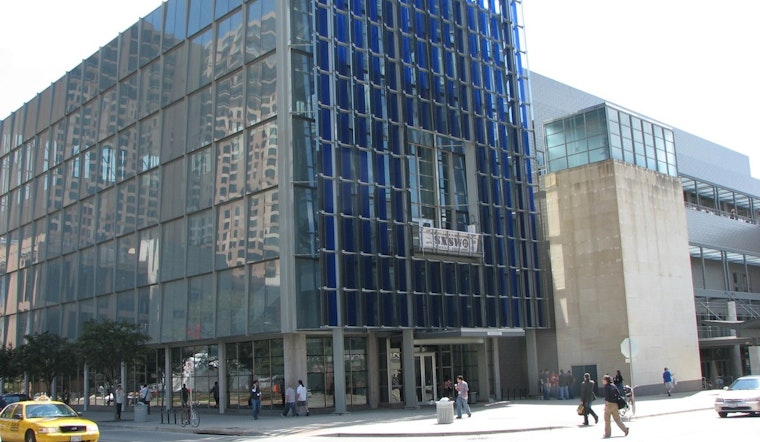
Austin's art scene is poised for some changes as the City of Austin's Office of Arts, Culture, Music, and Entertainment (ACME) has been actively working to preserve and relocate four legacy art installations from the Austin Convention Center. In collaboration with the artists and their families, along with the Arts Commission and community stakeholders, agreements have been reached to find new homes for these works, as reported by the City of Austin.
The city has managed to not only ensure that three out of these four artworks stay within the public realm but also to maintain the artistic legacy within Austin's cultural tapestry. "Waller Creek Shelves," crafted by Damian Priour, will find a new habitat within the Austin Public Library. This piece will stay publicly accessible and become part of the City of Austin’s Art in Public Places (AIPP) collection. "Macro/Micro," by Rolando Briseño, is set to stay in the AIPP as well, with a digital re-creation in the works and plans for its future location already under consideration.
Another piece, "Riffs & Rhythms," by John Yancey, is currently in the process of being removed from the convention center. It will transfer to the ownership of Mr. Yancey, who is engaged in discussions about the artwork's potential reinstallation in East Austin's historic African American Heritage Cultural District. The last of the artworks, "Index for Contemplation" by Margo Sawyer, has been taken away by the artist as per an existing agreement. City officials, however, remain hopeful that it will still be accessible to the community and are exploring options to retain it as a legacy installation in the new Convention Center.
ACME Director Angela Means highlighted the city's intentions, stating, "ACME is a strong advocate for the preservation of artwork." According to the City of Austin release, Means expanded on future visions, saying, "We recognize that meaningful partnerships are essential to meeting the ever-evolving needs of our creative community and the public. As we look to Austin’s cultural landscape, we will continue to explore innovative solutions and strategic collaborations that reflect our city’s values."
In pursuit of these goals, ACME commits to thoroughly and strategically assess the AIPP program, aiming to ensure it remains relevant, accessible, and in line with the city's cultural and economic aspirations. This assessment will integrate community feedback, benchmark against national best practices, and consider the broad spectrum of needs inherent to Austin's diverse artistic community. "We seek to create an inclusive, thriving ecosystem where art, culture, music, and entertainment continue to shape and define Austin’s identity,” Means conveyed.




