

























































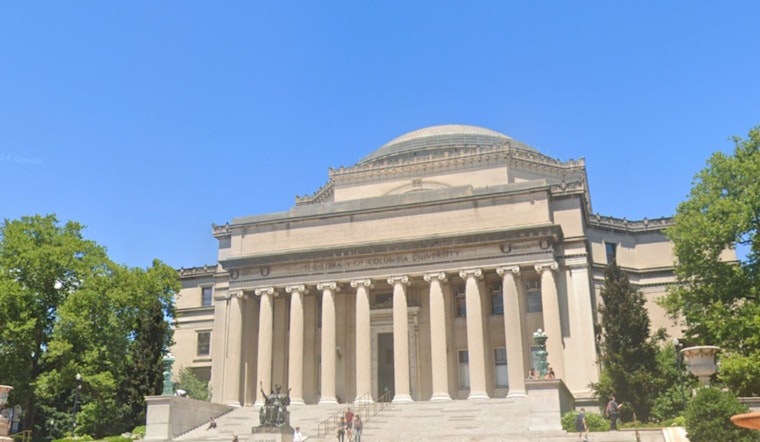
In a recent ruling that has sparked controversy and dialogue about free speech and immigration law, U.S. immigration judge Jamee Comans yesterday declared that Mahmoud Khalil, a Columbia University graduate and pro-Palestinian activist, can be deported. The ruling stems from allegations that his views are adverse to U.S. foreign policy interests. According to a report by The Guardian, Judge Comans found a memo from Secretary of State Marco Rubio, stating Khalil's beliefs and statements were sufficiently counter to those interests to justify removal, despite no accusations of criminal conduct.
The decision has caused an upheaval among supporters and raises substantial questions regarding the impact on fundamental rights. Khalil, who participated in anti-war protests at Columbia, has been in custody since March 8. Khalil's lawyer, Marc van der Hout, expressed defiance and concern in a statement to Gothamist, suggesting that if "Mahmoud can be targeted in this way, simply for speaking out for Palestinians and exercising his constitutionally protected right to free speech, this can happen to anyone over any issue the Trump administration dislikes."
The proceedings have been criticized by Khalil's legal team as a "charade of due process." The court gave Khalil's attorneys until April 23 to seek a waiver or to push further legal efforts. Meanwhile, in another aspect of the legal struggle, a federal judge in New Jersey has issued an order preventing Khalil's removal as his broader legal case is being considered. This separate case centers around the legality of his detention and questions the constitutionality of deporting individuals for exercising their first-amendment rights.
Amidst the legal tussles, Khalil's personal plight tugs at community heartstrings. His wife, Noor Abdalla, is due to give birth to their first child this month. Khalil's representation is to pursue every available avenue to argue for his return home, potentially including an asylum case. As Khalil himself commented in the court, as recounted by The Guardian, "Clearly what we witnessed today, neither of these principles were present today or in this whole process. This is exactly why the Trump administration has sent me to this court, 1,000 miles away from my family."





