

























































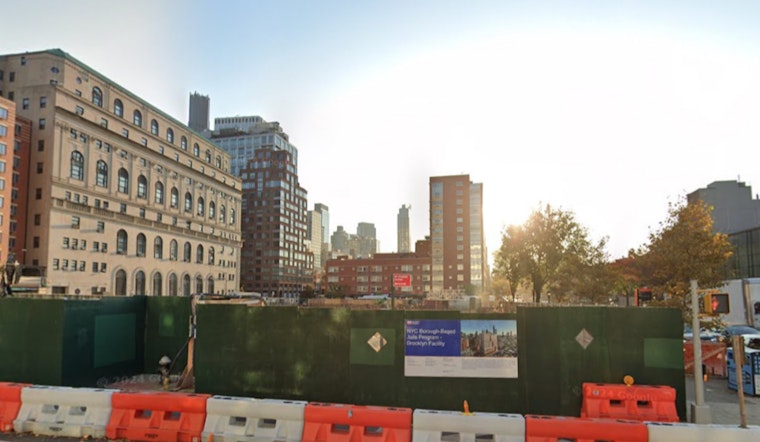
Amidst a clamor both literal and figurative, Downtown Brooklyn wrestles with the construction of a new jail, promised as a step toward humane incarceration but fraught with community discord and protest. Residents, losing sleep due to the late-night construction work required to make up for delays in the project, find themselves pinned between the necessity of progress and the immediacy of peace.
According to a report by Gothamist, the construction has involved noisy nighttime sprints beyond regular hours, with 235 after-hours work permits issued so far, disturbing local residents. "This project has to be done, and I understand why," Amelia Robinson told Gothamist, signaling a begrudging acceptance of the necessary din.
Meanwhile, Councilmember Lincoln Restler has voiced his concerns about the community's well-being, clashing with Mayor Eric Adams' office over the approach to construction. "We need the city to reach a better balance with our community, so we’re not driving people crazy," Restler stated in an interview with Gothamist.
Further complicating matters are the vocal protests against the jail's construction, as detailed by The Indypendent. Protesters have voiced their skepticism about the promises of reform, history echoing loudly through the chambers of failed corrections facilities with one unnamed protester saying, "Like this jail is a promise of reform, Rikers was also built on the promise of reform. We must remember that these are false promises." Saro, a protest organizer, argues that the $16 billion Borough-Based Jails Program is siphoning essential funds from social services and community support.
Amid ongoing noise complaints and ideological debates, a crucial discussion is unfolding on Brooklyn's streets about safety, reform, and the role of prisons in urban communities. The city aims to close Rikers Island by 2027 and replace it with borough-based jails.




