

























































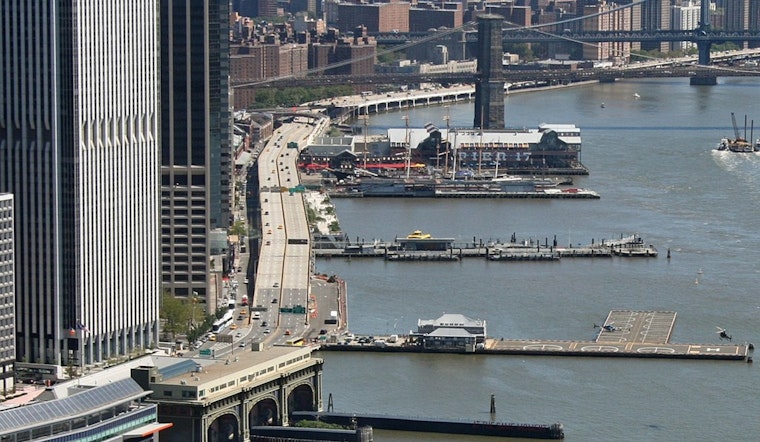
Following the recent tragic helicopter crash in the Hudson River, resulting in the deaths of a family of Spanish tourists and their pilot, the former operator of the Downtown Manhattan Heliport is rallying for the site to be transformed into a public park. In a statement obtained by Gothamist, William Wachtel of Saker Aviation insisted that the heliport "absolutely should be shut down" after operating it for nearly two decades, advocating for its conversion into a shared space for the community and a point for freight barges.
Wachtel, who now has the liberty to publicly voice his concern, considers the heliport a redundant asset. Alongside proposed conversions is the idea of modernizing the space to facilitate electric helicopter travel, an initiative shared by the new operator, Downtown Skyport. Notably, the change in the guard at the heliport had been fraught with dispute, with Saker Aviation challenging the concession award in court last month.
Separately, lawmakers are reflecting on the broader implications of these incidents for public safety. Highlighting a history of fatal sightseeing helicopter crashes in New York City - 25 deaths within the past 40 years - New York State Senator Brad Hoylman-Sigal is pushing to restrict airspace usage for non-essential flying, specifically sightseeing flights. "There's no reason to allow tourists and tour flight operators to use our valuable precious airspace," Hoylman-Sigal told ABC 7 New York. Citing incidents from the past few years, he noted the ongoing concerns over safety regulations for these aircraft.
Echoing the sentiment of safety over spectacle, the governor signed legislation last year to move the West 30th street helipad out of public park space. This legislative move signaled a growing resistance to nonessential helicopter flights in densely inhabited areas and a pivot towards prioritizing the safety and well-being of residents and visitors alike.





