

























































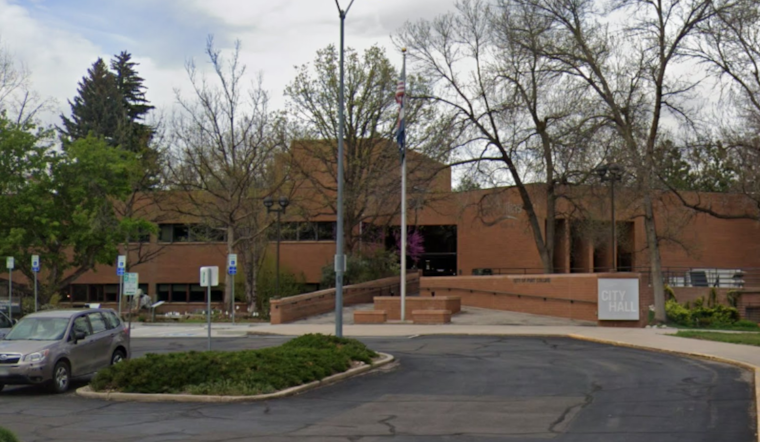
The Civic Assembly for the redevelopment of the former Hughes stadium site is set to reconvene for its concluding meetings on May 3-4, aiming to synthesize community input and hone in on crucial criteria for potential site uses. This gathering follows the Assembly's initial sessions in April, which set the stage for its policy-shaping endeavors. Information provided by the City of Fort Collins indicates that the outcomes of these discussions are expected to culminate in policy recommendations and a detailed report to be presented to City Leadership later in May, with the City Council set to consider these findings tentatively in August.
Reflecting on the first Assembly meetings, participants noted a collective drive and focus during their interactions. In video interviews, one delegate stated, "I feel like everyone's ideas have been heard, regardless of our backgrounds, regardless of our views," as per City of Fort Collins, capturing a spirit of inclusiveness and earnest discourse. Transcripts and coverage of these sessions reveal the sessions' informative nature, allowing delegates to request further data from city departments and local organizations on a swath of proposals. The follow-up sessions on the upcoming weekend are slated to elucidate these inquiries, providing clearer boundaries to guide the drafting of recommendations.
A significant part of these events' backbone is the involvement of groups like Healthy Democracy and the Center for Public Deliberation at Colorado State University. They bring expertise in facilitating community engagement and ensuring deliberative democracy practices are front and center in public decision-making. The American Public Trust and the Local Policy Lab also play critical roles, fostering collaboration between citizens and their governments to address communal challenges more inclusively and effectively.





