

























































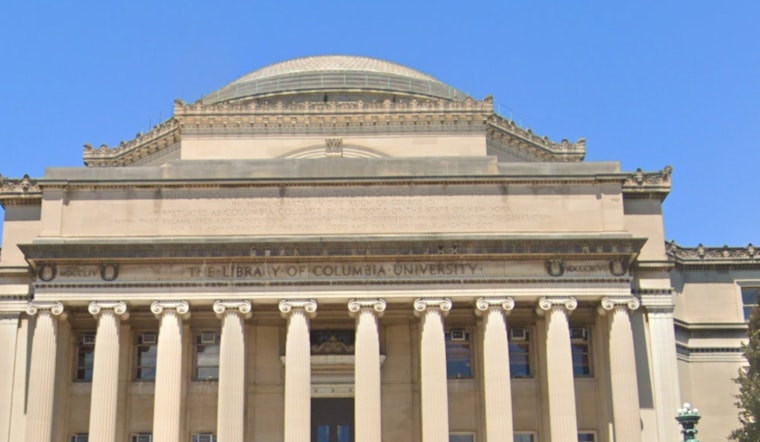
In a notable development at Columbia University, students who have been embroiled in a legal tussle with Congress will now receive a 30-day notice before the institution hands over any of their records to lawmakers, as ordered by U.S. District Judge Arun Subramanian, AP News reports. The decision comes in the wake of subpoenas issued as part of Congress's investigation into allegations of antisemitism on college campuses, which has provoked intense debate and legal action.
The ruling partially addresses concerns from students like Mahmoud Khalil, a Columbia graduate student and permanent U.S. resident who has been the face of protests against Israeli actions in Gaza and who now faces possible deportation, according to Gothamist. Judge Subramanian did not grant a full restraining order as requested by the students' lawyers, but the 30-day notification period provides them an opportunity to continue their fight against what they perceive as threats to their First Amendment rights and to prepare for the case to move forward.
Students involved have expressed deep concerns about the implications for free speech and dissent as part of the broader landscape of protests on campus, the targeting by the Trump administration is not solely a matter of personal plight but a symbol of more significant tensions within the intersections of education, policy, and civil liberties. Lawyers representing the students have underscored the importance of standing against what they see as overreach by the government, with one lawyer saying in a statement obtained by AP News, “We, as a collective, must stand together against these unlawful incursions into our protected speech.”
On the flip side, U.S. Rep. Tim Walberg, a Michigan Republican, has hailed the judge's decision as a "victory for credible oversight" and has reiterated the House Education and Workforce Committee's commitment to addressing what they view as a surge of antisemitic threats affecting educational institutions, according to statements he has made.





