

























































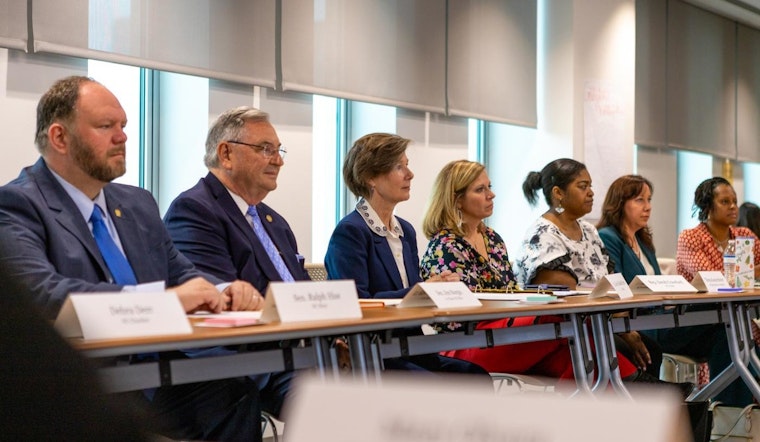
In a pivotal move aimed at addressing a statewide dilemma, Lieutenant Governor Rachel Hunt spearheaded the inaugural gathering of the Governor’s Task Force on Child Care and Early Education. The assembly, constituted by a blend of state agency representatives, subject matter experts, and elected officials, including Senator Jim Burgin as Co-Chair, focused on scrutinizing the strengths and deficits inherent in the existing child care landscape, with a keen intent on fortifying both public and private sector child care infrastructure, as well as boosting recruitment and retention of proficient child care professionals.
Lieutenant Governor Hunt gave voice to a pressing issue that bears weight not only upon families but upon the economy at large, stating, "The child care crisis is not just a family issue, but an economic issue. Too many North Carolinians have to make tough choices due to a lack of child care, from staying home from work to leaving the workforce entirely," according to a statement from the Lieutenant Governor's office. Her words underscore the task force’s ambition to craft actionable avenues to alleviate the ordeal that the child care conundrum poses.
The initial session of the task force was a ground-laying event, where new members were duly sworn in, absorbed insights from academicians, and engaged in discussions with existing child care providers. These proceedings mirror the comprehensive approach the task force seeks to employ in its mandate to usher in transformative change.
Underneath the tutelage of Governor Stein, who in March authorized the task force via executive fiat, the group is charted to convene in May and June, and thereafter on a bimonthly rhythm, to forge reports, and strategize recommendations for the governor's office. With Lieutenant Governor Hunt at the helm, who also holds pivotal roles on both the State Board of Education and the Community College Board, the spotlight shines on her Future-Ready North Carolina policy platform, which emphasizes nurturing child care, early childhood education, and fostering workforce preparedness through avenues such as the state's community colleges.
The task force's proactive undertaking signals a comprehensive approach to unraveling the challenges faced by North Carolina families, vying to ensure the vitality of the state's economic and educational framework while supporting the nurturance and growth of its youngest citizens.




