

























































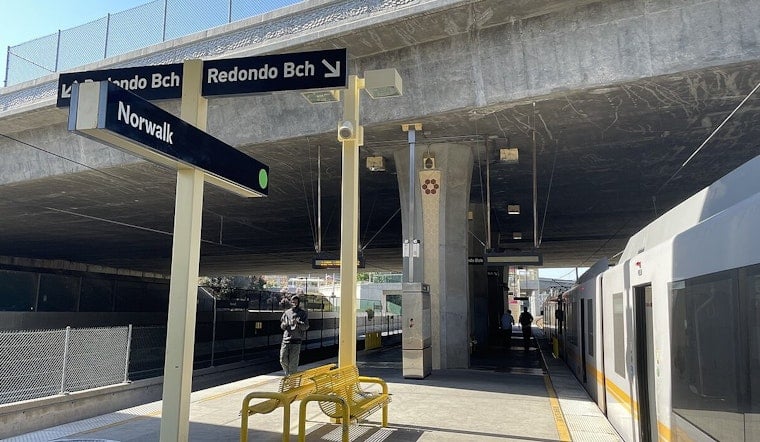
The Los Angeles Metro has initiated a pilot program to screen for concealed weapons starting at the Norwalk station, expanding a safety campaign that seeks to swiftly respond to increased incidents of violence observed in recent years. Commencing Monday, as reported by KTLA, the screening technology at the C Line station is part of a 12-month assessment at various high-traffic and higher-crime stations. Senior Manager of System Security for L.A. Metro, Carlos Rico, described the technology as "a lot less invasive than traditional metal detectors," and that it allows for different sensitivity levels to specifically detect firearms and knives.
Joining the efforts to bolster security measures, Los Angeles Metro has taken prior steps, including the installation of glass barriers on buses and implementing a 'tap-to-exit' program, aimed at better protecting both patrons and staff. As CBS Los Angeles reported, these enhancements are part of a broader initiative, encompassing both physical barriers and technological strategies to address operational safety. Metro Board Chair Janice Hahn, along with Deputy Chief of Safety, Security, and Law Enforcement Robert Gummer, will closely observe the new system to ensure that it operates as intended, without significantly disrupting the flow of passengers.
Metro officials, speaking on the layered approach to security, emphasized the inclusion of care-based tactics and environmental improvements, alongside the technological upgrades that include modern fare gates and a consistent uniformed presence. This comprehensive plan reflects the Metro's commitment to a safe transit environment for all, an endeavor that has garnered attention for its scope and dedication to alleviating safety concerns among riders.
At the official unveiling of the new weapons detection technology scheduled for 10:30 a.m. Monday, high-ranking Metro personnel led by Janice Hahn, Fernando Dutra - Metro Board First Vice Chair and Whittier City Councilman - and Robert Gummer, are set to showcase the system's operation as passengers pass through before boarding their trains. "This is just one more program to ensure that everybody who is on Metro is safe," Rico conveyed, as chronicled in the media release obtained by KTLA. The gathering aims to publicly demonstrate the Metro's proactiveness and vigilance in creating a secure transit network, capable of deterring potential threats before they manifest into actual harm.




