

























































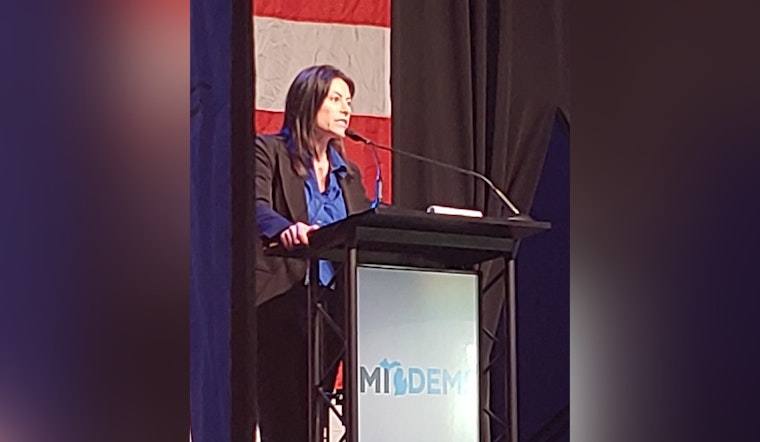
Michigan is stepping up to push back against environmental rule rollbacks. In a recent move, Attorney General Dana Nessel has joined forces with a group of 20 attorneys general in a comment letter opposing the Council on Environmental Quality's (CEQ) interim final rule that would strip down the National Environmental Policy Act (NEPA) regulations. This act, steadfast for over four decades, sets the foundation for environmental law in the U.S., ensuring that federal agencies consistently evaluate and respond to the environmental consequences of projects on federal land or those that need federal approval or funding.
According to a statement obtained by Michigan's official government website, Attorney General Nessel outlined the risks posed by the Trump Administration's initiative, "The Trump Administration’s illegal move threatens the well-being of Michigan residents and the health of our Great Lakes.” Nessel continued to emphasize, “These decades-old safeguards that require federal agencies to consider climate change and environmental justice impacts play a vital role in preserving our environment and protecting our communities. Abandoning them will leave our natural resources and public health at risk.”
The coalition's opposition is grounded not only in the potential environmental and community impacts but also in legal concerns. They argue that the proposed Repeal Rule contravenes several acts, including the Administrative Procedure Act, NEPA itself, and the Endangered Species Act. In a swift critique, they highlight a series of detrimental outcomes that could stem from this repeal: increased uncertainty, delayed project approvals, curtailed public participation, and less-informed environmental decisions. Moreover, they stress on the unprecedented move of eliminating long-standing NEPA regulations, which have provided clarity and guidance for federal agencies conducting environmental reviews.
Further criticism comes in the details of the comment letter, as the attorneys general pointedly question the legal rationale behind the Repeal Rule. "The Repeal Rule is 'arbitrary, capricious, an abuse of discretion' and 'without observance of procedure required by law'”, the letter asserts on the Michigan Department of Attorney General, underscoring the perceived flouting of due legal process. Such a significant shift in regulatory framework stands to not just impact the statutory requirements under NEPA but to also disrupt the synchronized efforts between federal and state authorities on environmental review processes, potentially leading to more confusion and less transparency in public involvement.
The united front presented by the attorneys general, which includes representatives from a broad geographic spectrum including Arizona, California, and New York, serves as a testament to the sustained relevance and necessity of NEPA's environmental checks and balances. As the legal challenges proceed, the nation watches to understand the very real implications such repeals might have, not only on the landscapes and waterways but also on the communities and generations that rely upon the constancy of environmental oversight and stewardship.





